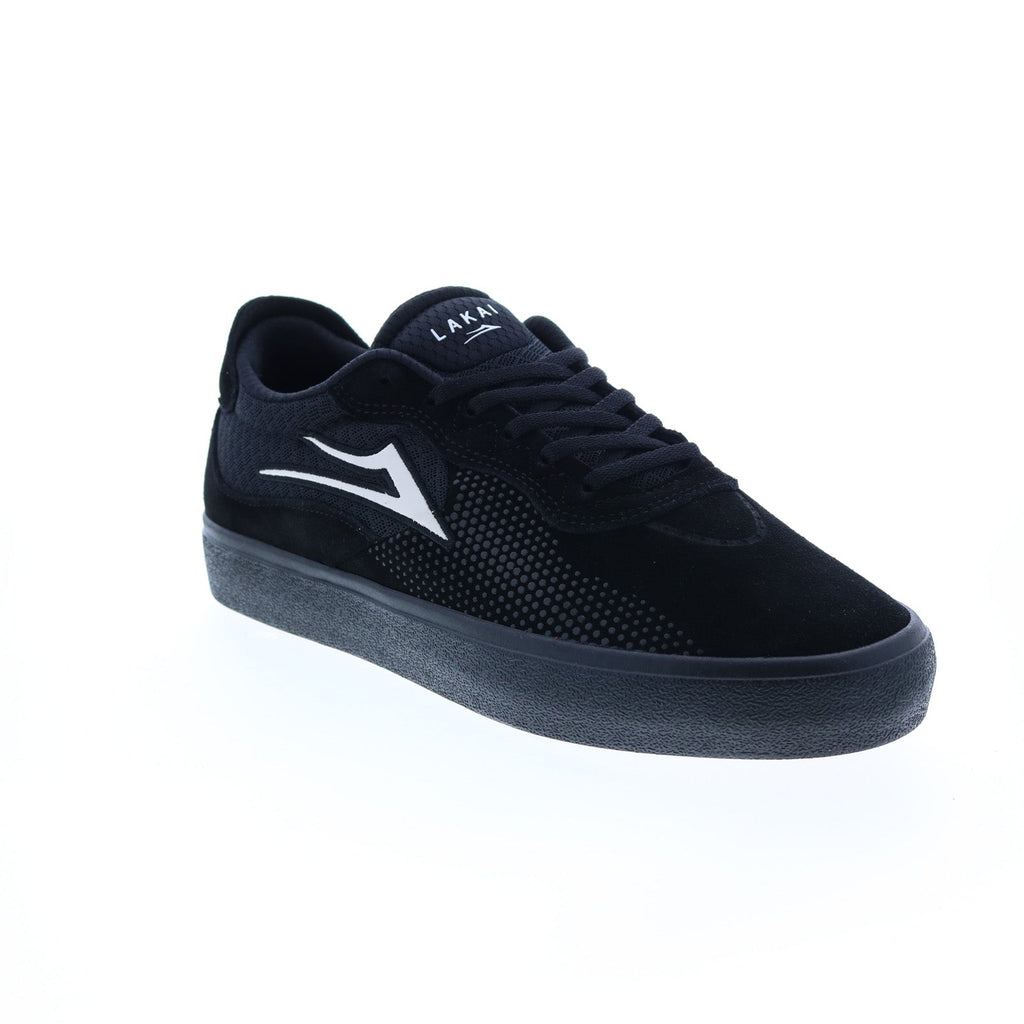
The shoe category is not the diagnosis
Skate shoes range from thin flexible vulcanized designs to structured cupsoles with more cushioning, so one verdict cannot describe every model. In the the shoe category is not the diagnosis decision, comfort during one short try-on does not prove that the same setup works through a long session. Revisit the fit after movement because padding and heel hold can feel different once the foot warms.
Evaluate the exact pair, the activity and the wearer’s symptoms instead of treating the skate label as automatically harmful or protective. For skate shoes, a shoe can support a use case without preventing injury or treating pain. Applied to the shoe category is not the diagnosis, prefer a smaller defensible shortlist to a long list of near-duplicates.
Fit errors create many avoidable problems
A short toe box can crowd nails, excessive width can allow sliding and poor heel hold can produce friction during repeated crouching and landing. In the fit errors create many avoidable problems decision, comfort during one short try-on does not prove that the same setup works through a long session. Keep the recommendation tied to terrain, frequency and foot shape rather than a universal score.
Check toe position, forefoot width and heel security while standing and moving, not only while seated. For skate shoes, a shoe can support a use case without preventing injury or treating pain. Applied to fit errors create many avoidable problems, prefer a smaller defensible shortlist to a long list of near-duplicates.
Board feel and cushioning pull in opposite directions
Thinner soles can make board feedback easier to read, while more cushioning can soften repeated impacts but may feel less direct. In the board feel and cushioning pull in opposite directions decision, persistent symptoms are evidence to stop and seek individualized help, not to keep changing products. Keep the recommendation tied to terrain, frequency and foot shape rather than a universal score.
Choose the balance that suits actual skating rather than copying a rider whose terrain, body and preferences differ. For skate shoes, bodies and symptoms differ, so footwear guidance should describe options without diagnosing a condition. Applied to board feel and cushioning pull in opposite directions, use the observation to remove unsuitable options before comparing color or brand preference.
Arch support is not one fixed requirement
Some feet tolerate a flatter platform well; others feel better with a shaped or removable insole, especially away from the board. In the arch support is not one fixed requirement decision, bodies and symptoms differ, so footwear guidance should describe options without diagnosing a condition. Compare one clear alternative with the opposite construction so the difference is visible.
Avoid assuming that more support is always better, and make changes gradually so a new insole does not crowd the shoe. For skate shoes, comfort during one short try-on does not prove that the same setup works through a long session. Applied to arch support is not one fixed requirement, check the selected pair while standing, crouching and shifting weight instead of relying on a static photograph.
Skating and all-day walking are different jobs
A stable flat sole can work well on a board yet feel firm during long walks because it is not designed around the same forward rolling motion as a walking shoe. In the skating and all-day walking are different jobs decision, bodies and symptoms differ, so footwear guidance should describe options without diagnosing a condition. Compare one clear alternative with the opposite construction so the difference is visible.
Use separate footwear when extended walking repeatedly leaves the feet tired or sore. For skate shoes, comfort during one short try-on does not prove that the same setup works through a long session. Applied to skating and all-day walking are different jobs, confirm the title, images and variation at the destination before treating the product as an exact match.
Wear changes the support story
Compressed insoles, rounded outsole edges, torn lining and a loose heel can change how a once-comfortable shoe behaves. In the wear changes the support story decision, bodies and symptoms differ, so footwear guidance should describe options without diagnosing a condition. Write the decision as a tradeoff so the reader knows what is gained and what is surrendered.
Inspect the pair periodically and replace it when structure or traction no longer matches the demands of skating. For skate shoes, comfort during one short try-on does not prove that the same setup works through a long session. Applied to wear changes the support story, confirm the title, images and variation at the destination before treating the product as an exact match.
Persistent pain deserves qualified attention
Pain that continues, worsens, changes gait or follows a hard landing cannot be responsibly solved by an online shoe list. In the persistent pain deserves qualified attention decision, bodies and symptoms differ, so footwear guidance should describe options without diagnosing a condition. Prefer a smaller defensible shortlist to a long list of near-duplicates.
Stop the aggravating activity and seek advice from an appropriate health professional, especially for swelling, numbness or inability to bear weight. For skate shoes, comfort during one short try-on does not prove that the same setup works through a long session. Applied to persistent pain deserves qualified attention, check the selected pair while standing, crouching and shifting weight instead of relying on a static photograph.
A practical buying checklist
A suitable pair allows natural toe position, secure heel hold, predictable flex and enough protection for the intended session. In the a practical buying checklist decision, persistent symptoms are evidence to stop and seek individualized help, not to keep changing products. Let the exact use case decide whether the added structure is helpful or merely extra bulk.
Try the exact size with skating socks and confirm the selected variation because materials and padding can differ within one model family. For skate shoes, bodies and symptoms differ, so footwear guidance should describe options without diagnosing a condition. Applied to a practical buying checklist, compare one clear alternative with the opposite construction so the difference is visible.
People also ask
Questions that extend this decision
Are Skate Shoes Bad for Your Feet: Are flat skate shoes bad for arches?
Not automatically. Comfort depends on the foot, duration and exact shoe. Persistent arch pain is a reason to stop and seek individualized guidance.
Are Skate Shoes Bad for Your Feet: Are skate shoes good for walking all day?
Some are comfortable casually, but many use flatter, firmer platforms than walking-focused footwear. Let repeated real-world comfort decide.
Are Skate Shoes Bad for Your Feet: Can an insole improve skate-shoe comfort?
A compatible insole may change cushioning or support, but it also occupies space. Confirm that the heel and toes are not crowded afterward.
Are Skate Shoes Bad for Your Feet: When should foot pain after skating be checked?
Seek professional guidance when pain persists, worsens, causes swelling or numbness, changes how you walk, or follows a significant injury.
Final verdict
Choose the tradeoff you understand.
Skate shoes are not automatically bad, but thin cushioning and a poor fit can be uncomfortable; choose support for your use and seek professional advice for persistent pain. Fit comes first, the repeated session demand comes second, and the exact current product identity comes third. Use Amazon to verify sizes and options without relying on stale price or stock claims.
As an Amazon Associate, we may earn from qualifying purchases.
Check current options on Amazon