

Old-school can mean two very different eras
Some shoppers use old-school for simple vulcanized shoes connected to early street and pool skating. Others mean the puffy technical designs of the late 1990s and 2000s. Those categories have opposite amounts of padding and board feel. A useful list must identify which history the buyer wants.
Current reissues and heritage models are usually better session choices than fragile old stock. They preserve recognizable shapes while offering replaceable sizes and fresher materials. Archive pairs belong in the discussion, but condition must be evaluated separately.
Classic vulcanized heritage starts with Skate Classics
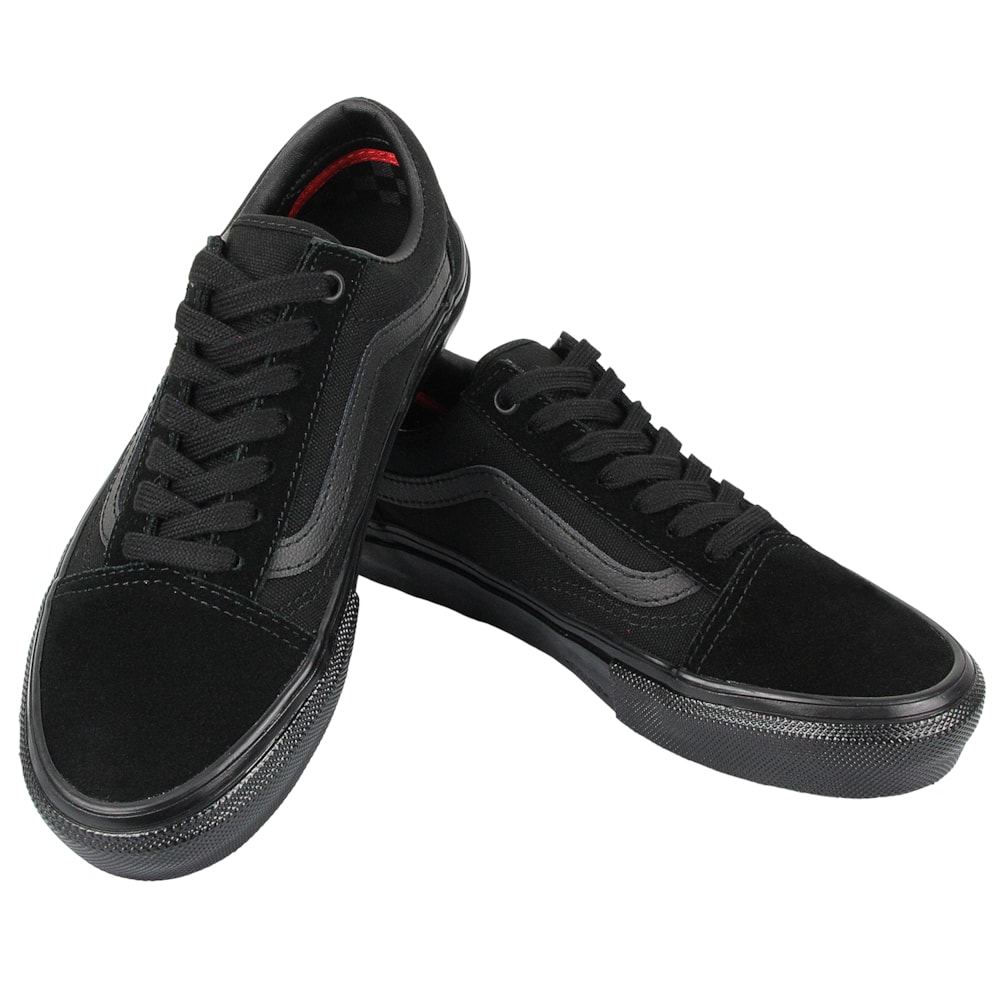
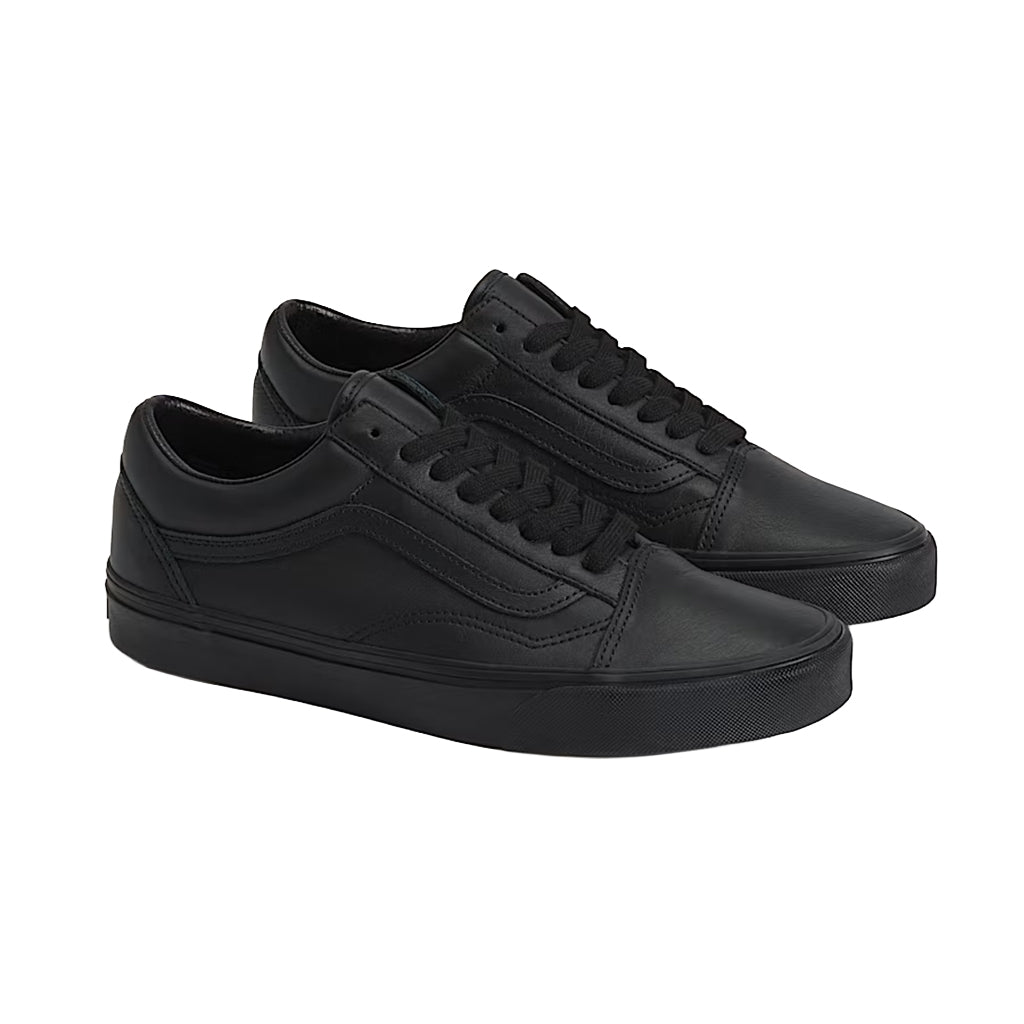
Vans Skate Old Skool, Skate Authentic, Skate Era, Skate Sk8-Hi and Half Cab connect familiar silhouettes with skate-specific reinforcement and footbeds. They suit riders seeking flexible board feel and a direct visual link to skate history. Confirm the Skate version because lifestyle models can look nearly identical.
Converse CONS and selected adidas skate adaptations offer other heritage low-top and high-top lanes. Materials matter: suede supports abrasion, while canvas gives light flexibility with a shorter wear expectation unless reinforced.
Puffy technical heritage begins with Accel, D3 and Court Graffik
The éS Accel OG, Osiris D3 2001 and DC Court Graffik represent distinct versions of technical volume. Accel emphasizes padded cupsole balance, D3 pushes maximal design, and Court Graffik crosses boldly into casual style. Globe Sabre, DVS Comanche and other models expand the lane.
These shoes add warmth, weight and distance from the board. They make sense for shoppers who want protection and the look deliberately. Someone seeking only nostalgia may prefer casual wear, while an active skater should compare sole stability and fit.
Court-derived classics form a third lane
adidas Busenitz, Samba ADV and Campus ADV, Nike SB Dunk Low Pro and New Balance Numeric 480 adapt court or basketball references for skating. They are old-school in visual influence without copying the largest technical shoes. Structured soles and layered uppers create a stable middle ground.
Exact skate adaptations matter. A lifestyle Samba, Dunk or court sneaker should not inherit technical claims from an ADV or SB version. Match the full product name and inspect construction before buying.
As an Amazon Associate, we may earn from qualifying purchases.
View the mid-guide match on AmazonArchive condition can defeat the original specification
Foam, rubber and adhesive age even in an unworn box. A vintage shoe may no longer flex or cushion as designed. Check cracking, sole separation, hardened rubber and interior breakdown before skating. Collectors can accept limits that a rider should not.
Do not purchase the wrong size because a model is scarce. A current alternative with the same collar, padding or sole category provides more usable value than a rare pair that slides or crushes the foot.
Fit changes dramatically across heritage categories
Slim vulcanized shoes reveal toe shape quickly and offer less padding to fill space. Puffy shoes look broad but consume volume with foam. Court-derived cupsoles add structure and may take longer to flex. Begin with normal sneaker size and judge the exact model.
Wide-foot shoppers should seek explicit width or a verified roomy shape. A large tongue is not proof of width. High insteps may actually feel more pressure in a heavily padded shoe.
Choose old-school style by actual session
For technical flatground, classic vulcanized or low-profile court-inspired shoes usually provide the clearest feedback. For impact, choose a structured cupsole or puffy technical model. For casual use, weight and walking comfort may matter more than flick reinforcement.
A heritage look should never require a mismatched sole. The best revival works because the design and performance demand point in the same direction.
Care for heritage materials according to the exact pair
Puffy suede shoes collect dust in seams and around padded tongues, while canvas classics show abrasion quickly. Dry brush suede, spot-test cleaners and avoid soaking foam-heavy uppers. Smooth leather follows different care instructions, and mixed panels should be cleaned by material rather than with one aggressive product.
Reissues can be maintained like current footwear, but archive pairs need slower inspection. Hardened rubber, brittle glue and compressed foam are not cosmetic dirt. Store collectible shoes away from extreme heat and moisture, and do not assume a cleaning treatment can restore structural life that disappeared in storage.
Replacement parts also need period-aware judgment. A new insole can improve step-in feel but cannot restore a collapsed midsole, and fresh laces do not make a separated sole safe. Preserve appearance and performance as separate goals.
Final old-school shortlist
Choose Vans Skate Classics or CONS for flexible heritage, Busenitz or SB Dunk for court-derived structure, and Accel OG, D3, Court Graffik, Sabre or Comanche for puffy technical style. Verify current exact products before considering archive alternatives.
Amazon listings should state the full model and variation. Avoid generic brand searches that mix lifestyle shoes with performance versions. Old-school is a useful style filter only after fit, construction and condition are clear.
People also ask
Questions that extend this decision
Best Old-School Skate Shoes: Picks by Fit and Session: What counts as an old-school skate shoe?
The phrase can mean early vulcanized classics, court-derived skate shoes or puffy 2000s technical models. Define the era before choosing.
Best Old-School Skate Shoes: Picks by Fit and Session: Are reissues better than vintage pairs for skating?
Usually they are easier to verify and replace, with fresher rubber, foam and adhesive. Vintage condition varies widely.
Best Old-School Skate Shoes: Picks by Fit and Session: Are puffy shoes more protective?
They often add padding and structured soles, but exact construction and fit matter. External bulk alone does not guarantee impact performance.
Best Old-School Skate Shoes: Picks by Fit and Session: Can lifestyle classics be used instead of skate versions?
They may lack the same reinforcement, footbed and rubber. Choose the skate-specific product when performance is the goal.
Final verdict
Choose the tradeoff you understand.
The best old-school skate shoes are the pairs that meet this exact need without giving up secure fit, predictable grip or the protection your sessions require. Fit comes first, the repeated session demand comes second, and the exact current product identity comes third. Use Amazon to verify sizes and options without relying on stale price or stock claims.
As an Amazon Associate, we may earn from qualifying purchases.
Check current options on Amazon