


The constructions join upper and sole differently
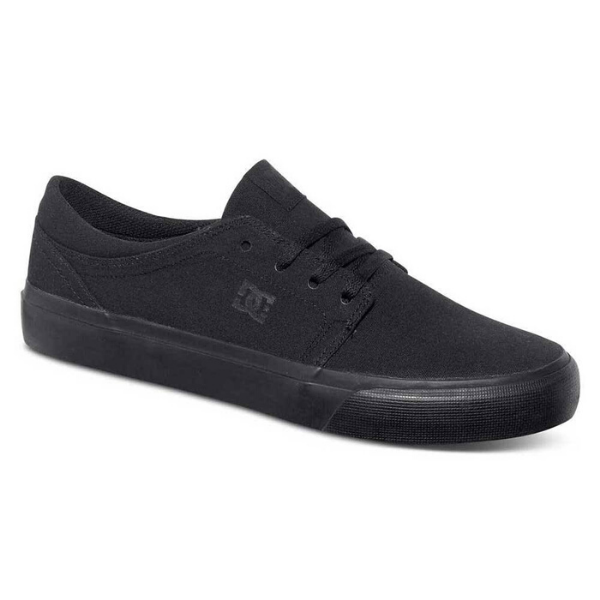
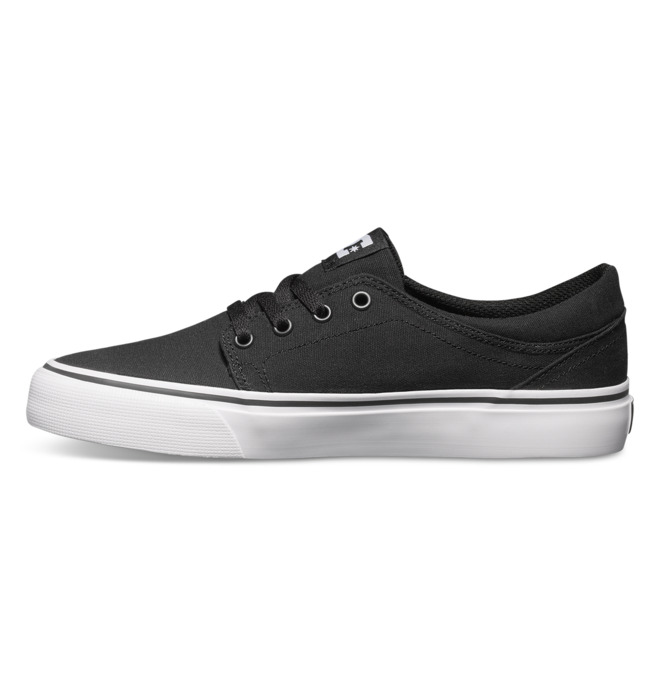
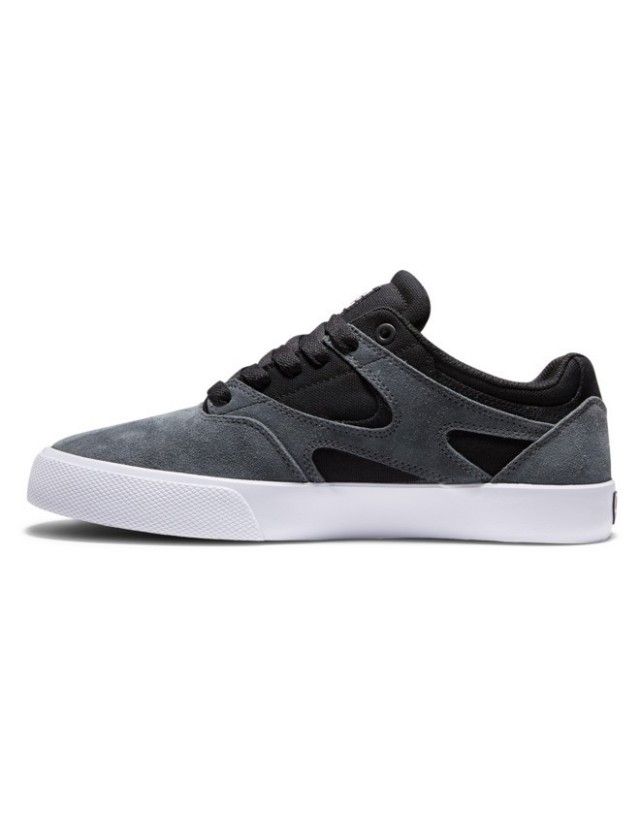
A vulcanized shoe bonds the upper to a flexible rubber package with a visible foxing wrap, producing the low sidewall look associated with many classic skate silhouettes. A cupsole uses a molded sole unit that cradles the foot and is commonly stitched or otherwise assembled to the upper. Those methods influence flexibility, structure, and repair behavior, but neither word is a complete performance rating. Thickness, compound, insole, upper design, and the rider's fit can make two examples from one category feel surprisingly far apart.
Vulcanized construction usually wins the first-session feel
A low vulcanized platform often bends readily and places less material between foot and deck. Riders can locate concave and edges quickly, which suits technical flatground, ledges, manuals, and anyone who dislikes waiting for a sole to loosen. Vans Skate Authentic or Old Skool, Converse CONS One Star Pro, and many Lakai lows illustrate the lane. Its drawback is that hard landings may feel sharper, and extensive sidewall flex can be less reassuring for skaters whose sessions repeatedly involve gaps or rough concrete.
Cupsoles usually make the stronger protection argument
A molded cup can provide a more supportive base, hold its form longer, and create room for impact-oriented cushioning. Etnies Marana, New Balance Numeric 440 or 480, and structured adidas Skateboarding models show how this direction can serve stairs, drops, transition, or powerful riders. The cost may include additional weight, a raised sensation, and more break-in before the forefoot follows the deck naturally. A cupsole earns its extra structure when it answers a repeated demand rather than merely looking substantial in a product photograph.
Board feel is a spectrum inside both camps
It is inaccurate to call every cupsole numb or every vulcanized shoe sensitive. A thin, articulated cupsole forefoot can communicate more clearly than a vulcanized platform with stiff foxing and a thick footbed. Toe geometry and correct length also affect the timing of flick. Compare actual pairs indoors by rising onto the ball of the foot and noting where each sole bends. The shoe whose flex aligns with the rider will often feel more precise than a supposedly superior construction that folds ahead of the toes.
As an Amazon Associate, we may earn from qualifying purchases.
View the mid-guide match on AmazonDurability depends on the rider's first failure
Vulcanized sidewalls can separate or wear through, while cupsoles can outlast their cushioning or become smooth at the tread. Upper damage may end either type before the bottom fails. Inspect the previous shoe: an opened foxing bond favors a stronger assembly, compressed heel support favors a robust platform, and a torn ollie panel calls for better upper reinforcement regardless of sole. Cost per session improves when the next purchase solves the actual failure instead of choosing the category with the broadest durability reputation.
Fit and heat can reverse the theoretical winner
A supportive cupsole loses its benefit if a narrow toe creates pressure or the heel moves. A flexible vulcanized shoe fails when its low-volume shape crowds the instep. Cupsoles with substantial padding may also run warmer; sparse vulcanized uppers can breathe better but offer less containment. Test both candidates with the same socks and intended insole, preserving return condition. Materials may soften through use, but break-in cannot manufacture missing width, shorten excess length, or move a misplaced flex point back under the foot.
Hybrids and brand terms blur the binary
Modern skate shoes sometimes combine vulcanized-like feedback with added structure or use proprietary constructions such as Vans WaffleCup on applicable models. Marketing language can describe a feel without matching the textbook assembly a shopper expects. Treat the exact product page as the evidence unit and avoid transferring details across generations. A signature shoe may change its sole in a numbered sequel, while visually related colorways can use different uppers. The practical question remains what the selected pair does under the rider, not whether it fits a perfectly pure category.
Choose with the hardest repeated session demand
Select vulcanized construction when fast flex, low profile, and direct feedback matter most and landings stay within the rider's comfort. Choose a cupsole when repeated impact, platform structure, or longer support outweighs the desire for immediate sensitivity. Mixed-use skaters should try a flexible cupsole against a cushioned vulcanized control. At Amazon, verify complete model, generation, size, material, seller, and return terms on both destinations. A fair comparison keeps either path available instead of steering every reader toward one predetermined sole type.
Skaters who rotate constructions can use each strategically rather than naming a permanent winner. A flexible vulcanized pair may suit low technical sessions, while a supportive cupsole comes out for rough parks or impact practice. Rotation also exposes whether discomfort belongs to terrain, fatigue, or fit. Keep notes instead of switching randomly. The comparison becomes useful when the rider can predict which platform will feel appropriate before the session begins and explain the sacrifice accepted with that choice.
People also ask
Questions that extend this decision
Cupsole vs Vulcanized Skate Shoes: Which construction is better for beginners?
A balanced shoe that fits securely is better than an extreme. Beginners need predictable grip and enough feedback to learn, but also sufficient comfort for imperfect landings on their usual terrain.
Cupsole vs Vulcanized Skate Shoes: Do cupsole skate shoes take longer to break in?
Many do because their molded platform begins with more structure, although flexible cupsoles can feel natural quickly. Break-in varies by exact sole, upper, and rider rather than category alone.
Cupsole vs Vulcanized Skate Shoes: Are vulcanized shoes less durable?
Not in every respect. Their sidewall bond can be a wear point, but upper material and personal flick pattern may end either construction first. Inspect the previous pair's failure before choosing.
Cupsole vs Vulcanized Skate Shoes: Can a cupsole provide strong board feel?
Yes. A low, articulated forefoot can remain precise while the heel supplies more structure. Try the actual shoe because shape, insole, and correct size influence feedback as much as the label.
Final verdict
Choose the tradeoff you understand.
Cupsoles favor support and impact protection; vulcanized shoes favor immediate flex and board feel. Fit comes first, the repeated session demand comes second, and the exact current product identity comes third. Use Amazon to verify sizes and options without relying on stale price or stock claims.
As an Amazon Associate, we may earn from qualifying purchases.
Check current options on Amazon