
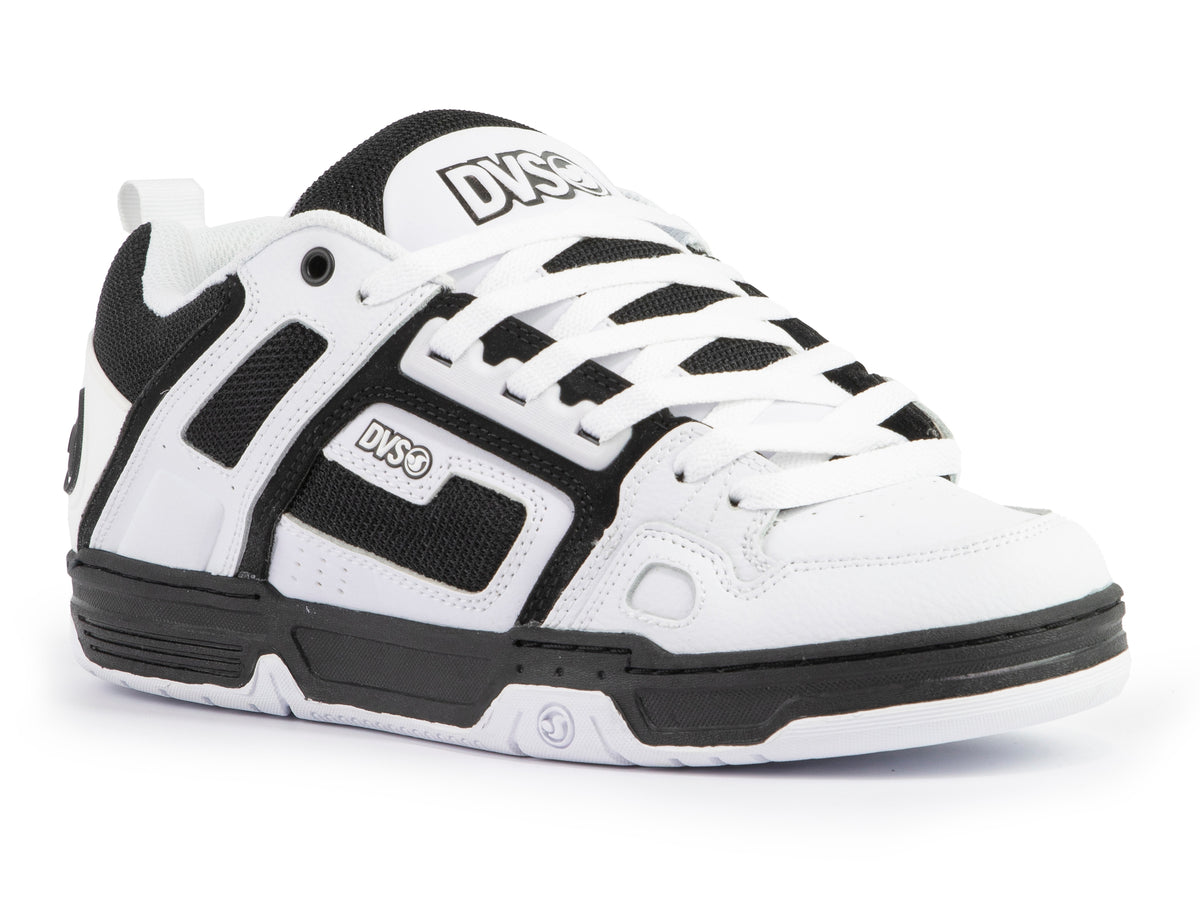
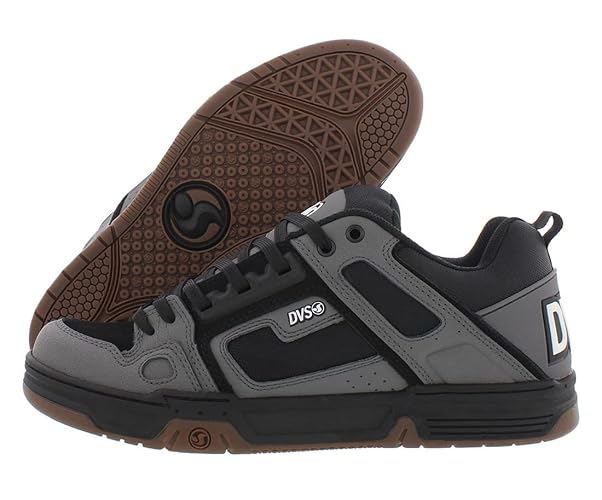


The Comanche is unapologetically a padded technical shoe
The DVS Comanche uses the broad low-top proportions associated with late-1990s and 2000s skate footwear: a thick tongue, padded collar, layered upper and substantial sole. It is not trying to imitate the quick flex of a thin canvas vulcanized model. Its reason for consideration is the protected, planted sensation that those larger components create.
That identity makes the review simple but not automatic. Skaters who value impact management and a held-in feel may appreciate the Comanche. Riders who count grams or want the sharpest concave feedback may find it excessive. The shoe succeeds only when its technical bulk answers a real preference.
Underfoot structure leads the experience
The Comanche's cupsole-style platform places more material between the foot and the ground than a minimal skate shoe. This can make rough spots and hard landings feel less immediate. It also delays forefoot flex and communicates the board through a broader, firmer base rather than fine surface detail.
Short break-in sessions are useful. The forefoot should begin bending where the foot bends, but heat, soaking or forced folding can damage materials and bonds. If the sole remains awkward after normal wear, the construction may simply be wrong for the rider's preferred skating.
Padded fit can be deceptive
A thick tongue and collar create instant contact around the foot, yet foam can hide excess length. As padding compresses, the heel may begin moving if the underlying last was too large. Conversely, a high instep can feel trapped even when the toe length is correct. The visible width of the shoe does not guarantee generous interior width.
Measure both feet, use the current DVS guidance for the exact version and test with skate socks. The toes should lie flat, the heel should stay centered and laces should not need extreme tension. An aftermarket insole can raise the foot into the tongue and change the fit considerably.
The layered upper needs a seam-by-seam durability check
Comanche colorways may use different combinations of suede, nubuck-like materials, leather or synthetics. The layered design can spread abrasion across several panels, but every edge and stitch near the flick path is a possible wear point. Product photographs should be matched to the selected variant before material conclusions are made.
Inspect the front shoe early to see whether grip tape is hitting a panel center or a seam. A small targeted repair can protect a vulnerable edge without turning the entire toe rigid. The outsole and sole bond may wear before the bulky upper looks finished, so judge structural life from below as well as above.
As an Amazon Associate, we may earn from qualifying purchases.
View the mid-guide match on AmazonBoard feel is stable rather than delicate
The Comanche can provide confident edge pressure and a large contact platform after break-in, but it does not offer the bare, immediate feedback of a slim vulcanized shoe. Some riders prefer that filtered sensation because the shoe feels less nervous on rough surfaces. Others feel disconnected during technical flatground.
Toe shape also changes flick timing. A fuller forefoot presents a different contact area from a tapered shoe. Skaters coming from narrow low-tops should expect an adjustment. The relevant question is whether consistency returns after several sessions without sacrificing the impact comfort that motivated the change.
Comanche versus other DVS and puffy options
Within the technical lane, compare the Comanche with other DVS models and padded shoes such as the Globe Tilt, éS Accel OG or selected DC silhouettes. They share period character but differ in tongue volume, toe shape and sole geometry. Similar styling does not create interchangeable fit.
Include a thinner control shoe in the comparison. If the low-profile model makes normal tricks immediately clearer and the Comanche's protection is unnecessary, bulk is solving the wrong problem. If the thin shoe leaves the rider fatigued or tentative on landings, the Comanche's tradeoff becomes more persuasive.
It is also a strong casual heritage silhouette
The Comanche works naturally with relaxed denim, cargos and wider shorts. Its padded appearance carries authentic technical-era style rather than borrowing it from a current trend. Casual wear avoids grip-tape damage, although the weight and warm upper can become noticeable during long walks.
A mixed-use pair will show abrasion on one side, so collectors or style-first buyers may prefer a separate clean pair. Follow the exact material's care instructions. Soaking a layered technical shoe risks trapping moisture and weakening adhesive across a complex upper.
Comanche verdict
Choose the DVS Comanche for cushioning-oriented structure, a padded locked-in sensation and genuine puffy-shoe proportions. Reject it when immediate board feel, low heat and minimal weight dominate. This is a specialized preference even though the shoe can be worn casually.
Before using an Amazon link, confirm the exact Comanche version, selected colorway and material. Marketplace pages may group adjacent variants, and a similar DVS silhouette is not the reviewed model. When identity and fit are correct, the Comanche offers a clear technical alternative to today's thinner standards.
People also ask
Questions that extend this decision
DVS Comanche Review: Board Feel, Impact, Fit and Durability: Is the DVS Comanche a bulky skate shoe?
Yes. Its padded tongue, layered upper and substantial sole place it firmly in the technical puffy-shoe category.
DVS Comanche Review: Board Feel, Impact, Fit and Durability: Does the Comanche have good board feel?
It provides a stable platform after break-in, but less immediate deck detail than a thin vulcanized shoe.
DVS Comanche Review: Board Feel, Impact, Fit and Durability: Does the DVS Comanche fit wide?
The exterior looks broad, but padding affects interior volume. Foot measurement and exact-version fit information are necessary.
DVS Comanche Review: Board Feel, Impact, Fit and Durability: Is the Comanche good for everyday wear?
It can be a comfortable heritage-style casual shoe for people who accept its weight and warmth. Long-walk comfort remains individual.
Final verdict
Choose the tradeoff you understand.
The DVS Comanche is a padded technical throwback; shortlist it when ankle-area cushioning and a substantial cupsole matter more than minimal bulk. Fit comes first, the repeated session demand comes second, and the exact current product identity comes third. Use Amazon to verify sizes and options without relying on stale price or stock claims.
As an Amazon Associate, we may earn from qualifying purchases.
Check current options on Amazon