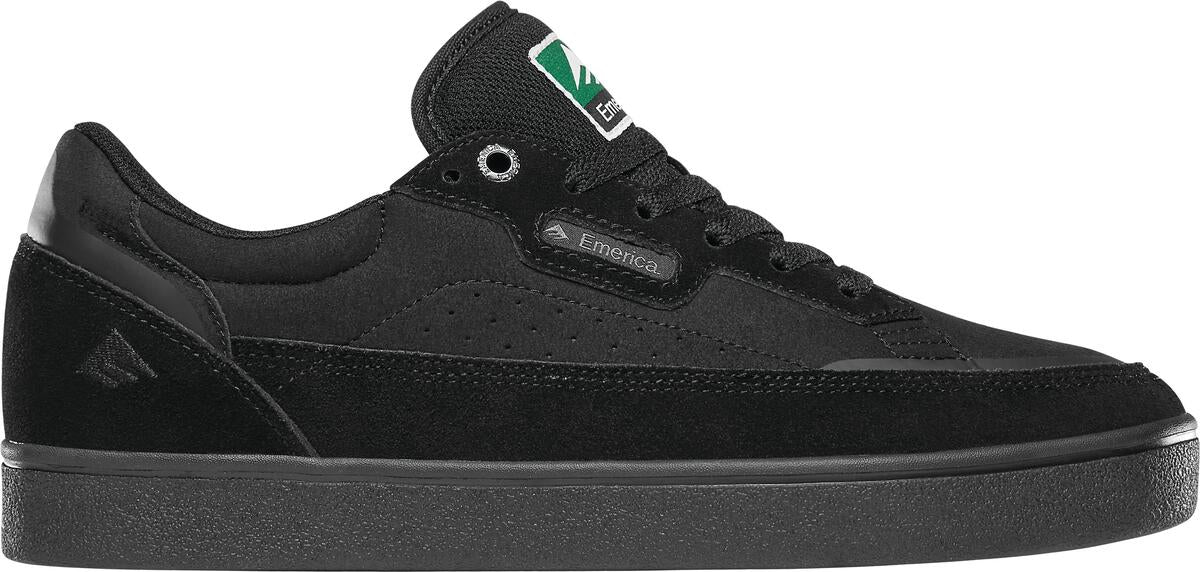


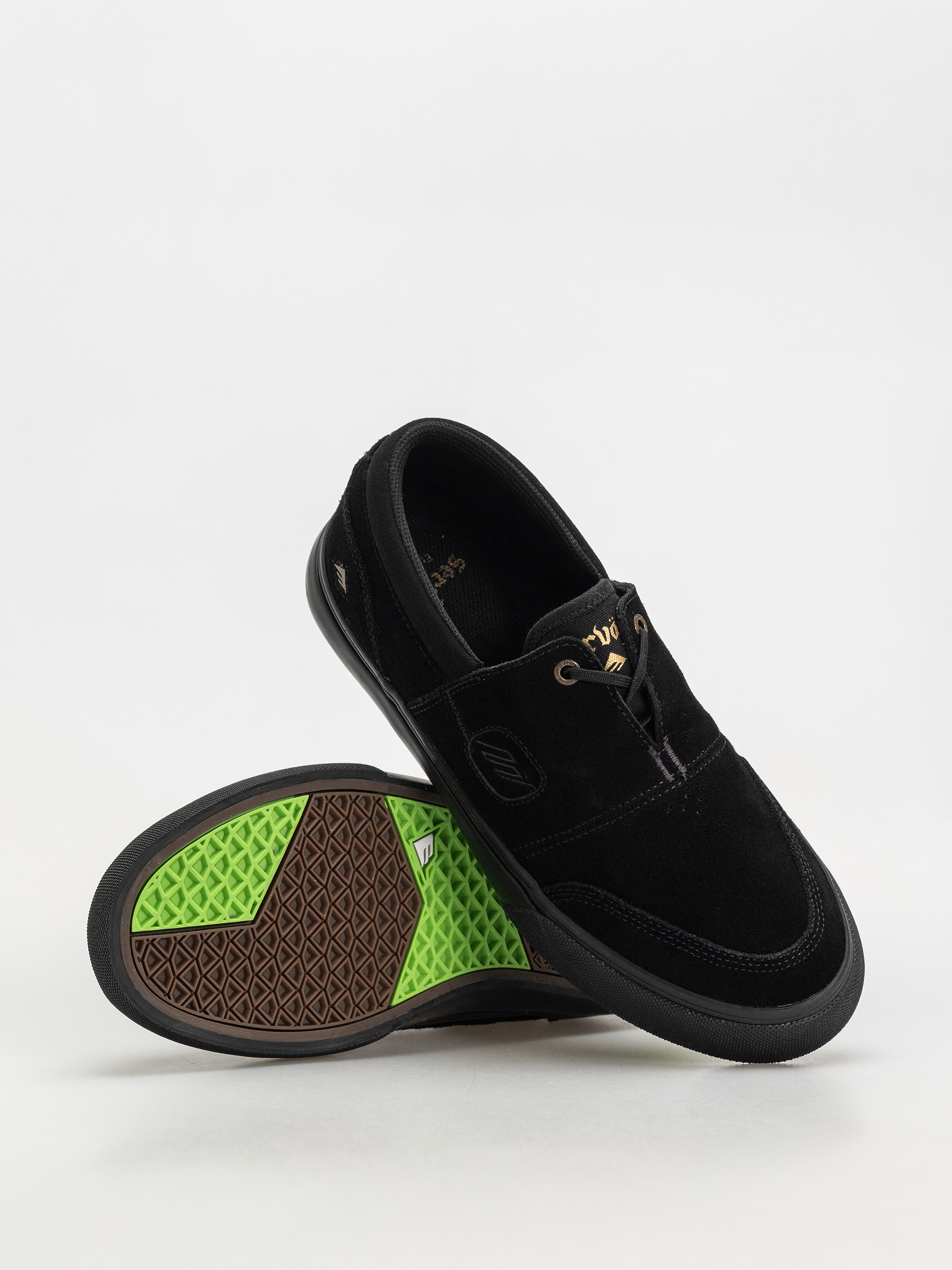
Reynolds names a sequence, not a single permanent shoe
An “Emerica Reynolds” search can point to different Andrew Reynolds signature releases, reissues or marketplace listings from separate periods. Their shapes and constructions should not be collapsed into one review. Some memories center on fuller technical-era models; others refer to later, cleaner silhouettes associated with Reynolds. Begin by identifying the complete model name, approximate release context and whether the pair is current or archival. Without that step, statements about fit, board feel and durability can migrate from one shoe to another and mislead the shopper.
The signature matters because the skating was demanding
Andrew Reynolds built his reputation through powerful street skating, including gaps and stairs that made landing confidence central to how people interpreted his footwear. That history explains why shoppers often expect a Reynolds shoe to balance control with protection. It does not prove that every signature version offers the same platform or that owning one recreates the rider's setup. The useful way to honor the association is to judge each release against its own era: upper support, sole type, fit and the degree of contact it gives the board.
Earlier technical silhouettes emphasize substance
Older Reynolds-branded shoes can present more padding, paneling and visual volume than today's streamlined skate lows. That package may appeal to riders seeking a planted, contained feeling or collectors drawn to turn-of-the-century design. Extra material can also slow flex and mute deck edges. A well-preserved exterior tells only part of the story, because underfoot foam and bonding age. An archive pair should not be recommended for hard skating solely because its original reputation involved impact. Current condition determines whether the historical construction can still perform.
Later clean designs change the board-feel equation
A lower, simplified Reynolds silhouette can place the rider closer to the deck and make flick timing easier to read. Reduced bulk improves everyday versatility but may give up some of the isolated sensation associated with an older cupsole. Exact upper material remains important: a suede version aimed at abrasion differs from a textile or casual variation. Skaters choosing a Reynolds model for technical street should focus on the toe shape, forefoot flex and heel hold of that specific release, not on a generalized image of the signature line.
As an Amazon Associate, we may earn from qualifying purchases.
View the mid-guide match on AmazonFit has to be reconstructed model by model
Marketplace descriptions of discontinued shoes rarely provide enough information to declare a universal Reynolds fit. Padding changes usable volume, toe tapers change how length feels and an aged insole may no longer represent the original interior. Use the labeled size only as a starting point. Toes should rest without curling, the heel should remain contained and the widest part of the foot should align with the shoe's flex. Do not buy a smaller archive size because it is the only one available; scarcity cannot correct the wrong geometry.
Condition becomes part of every archival verdict
Check for sole separation, hardened rubber, cracked flex points, compressed interior foam and odor or moisture evidence. Ask for clear images of both shoes, outsole edges and labels when the seller allows it. None of those checks authenticates the pair or guarantees performance. A collector may choose to display a rare release, while a skater needs a predictable tool. Once those goals are separated, the decision becomes easier: preserve uncertain vintage footwear and choose a current Emerica or comparable model for regular impact.
Current alternatives should match the desired trait
Someone wanting a Reynolds shoe for structured impact should compare modern cupsoles with stable heels and documented current construction. Someone chasing the cleaner Reynolds feel should examine low-profile suede models with a controlled forefoot. The replacement does not need to imitate the old shoe visually if performance is the objective. Name the trait—padding, toe shape, sole response, heel hold or style—and compare current exact products on that basis. This is more useful than treating any Emerica model as a direct substitute simply because the brand remains the same.
Use photographs only to narrow silhouette. They cannot show interior depth, flex or the condition of cushioning, and two visually related signature releases may behave differently once weight is placed through them.
The honest review protects both legacy and rider
Reynolds footwear matters because it tracks changes in skate-shoe design around one of street skating's defining figures. It is not a frozen specification. Earlier and later releases can serve different riders, and an aged pair carries uncertainties no historical reputation can remove. Choose a specific Reynolds model when its verified shape, condition and construction suit the intended use. Otherwise, use the lineage as a guide to the qualities you want and buy a current shoe that delivers them predictably. That approach respects the history without turning nostalgia into unsafe advice.
People also ask
Questions that extend this decision
Emerica Reynolds Review: Board Feel, Impact, Fit and Durability: Is Emerica Reynolds one exact model?
No. Andrew Reynolds has been associated with multiple signature releases across different periods. Always identify the full model and version before applying fit or performance advice.
Emerica Reynolds Review: Board Feel, Impact, Fit and Durability: Are vintage Reynolds shoes suitable for stairs and gaps?
Original design intent does not guarantee present condition. Aging can affect foam, rubber and bonding, so uncertain archive pairs should not be relied on for demanding impact.
Emerica Reynolds Review: Board Feel, Impact, Fit and Durability: What should replace an older Reynolds cupsole?
Compare current cupsoles by stable heel containment, forefoot control and the level of underfoot protection you need. A direct visual copy is less important than matching the functional trait.
Emerica Reynolds Review: Board Feel, Impact, Fit and Durability: Why do Reynolds fit reports conflict?
They may describe different models, sizes, ages and levels of padding. Treat model-specific experience as a clue and fit the exact pair rather than generalizing across the lineage.
Final verdict
Choose the tradeoff you understand.
The Emerica Reynolds belongs on a shortlist only when its current construction, shape and protection match the rider's sessions and fit needs. Fit comes first, the repeated session demand comes second, and the exact current product identity comes third. Use Amazon to verify sizes and options without relying on stale price or stock claims.
As an Amazon Associate, we may earn from qualifying purchases.
Check current options on Amazon