

Gravis approached skate footwear from outside the usual pattern
Gravis began as a Burton-related footwear project in the late 1990s and developed a reputation for travel-minded casual shoes before becoming closely associated with influential skate designs. Its place in skate history is not based on having the largest catalog. It comes from a period when the brand gave designers and riders room to rethink how a skate shoe could look, particularly through understated technical models.
The result was a catalog that moved between slip-ons, lifestyle shoes and genuine skate projects. That breadth now creates confusion in marketplace searches. Not every Gravis shoe is a skate shoe, and an old model name may surface alongside unrelated modern products. Historical pages should identify the exact silhouette and era before discussing performance.
Dylan Rieder changed how people remember the brand
Gravis became inseparable from Dylan Rieder's refined approach to skating and style. His signature footwear rejected the exaggerated technical language of earlier eras and presented a slim, elegant shape that could pass between skate video and formal styling. The shoe's cultural impact exceeded its time in the market because it offered a different idea of what a professional skate model could be.
That influence should not be reduced to appearance. Rieder's skating made the clean profile credible as performance equipment, while the design demonstrated that a skate shoe could be minimal without looking generic. Original pairs are now archive objects, and later shoes from other brands have echoed parts of the aesthetic. Shoppers should not assume a listing using Dylan's name is an authorized or equivalent product.
Filter and Tarmac show the wider Gravis vocabulary
The Filter is remembered as a relaxed slip-on form connected to the brand's casual and travel identity. The Tarmac name represents another side of Gravis's footwear language, with a more substantial everyday profile. These models matter because they show that the brand was not simply one signature skate shoe; it explored comfort, portability and understated design across categories.
For active skating, the exact version matters. A casual slip-on may lack the reinforcement of a skate-specific edition, and an aged outsole may not behave as originally intended. Archive coverage should explain what the shoe was designed to do rather than retroactively labeling every model performance-ready. That distinction makes the history more useful to collectors and skaters alike.
Why Gravis disappeared from most Western skate shops
Brand ownership, distribution decisions and changing market priorities pulled Gravis away from the broad North American and European presence it once had. Its visibility contracted even as certain products and the brand name continued in other markets. For many skaters, the disappearance felt abrupt because the Dylan era had created strong cultural momentum.
It is safer to describe Gravis today as a legacy and regionally present footwear name rather than promise a complete active skate catalog. Current availability can change by country, and marketplace results often consist of old stock, imports or unrelated products. Any live product should be verified individually, with no implication that the historical team program has returned in its former form.
As an Amazon Associate, we may earn from qualifying purchases.
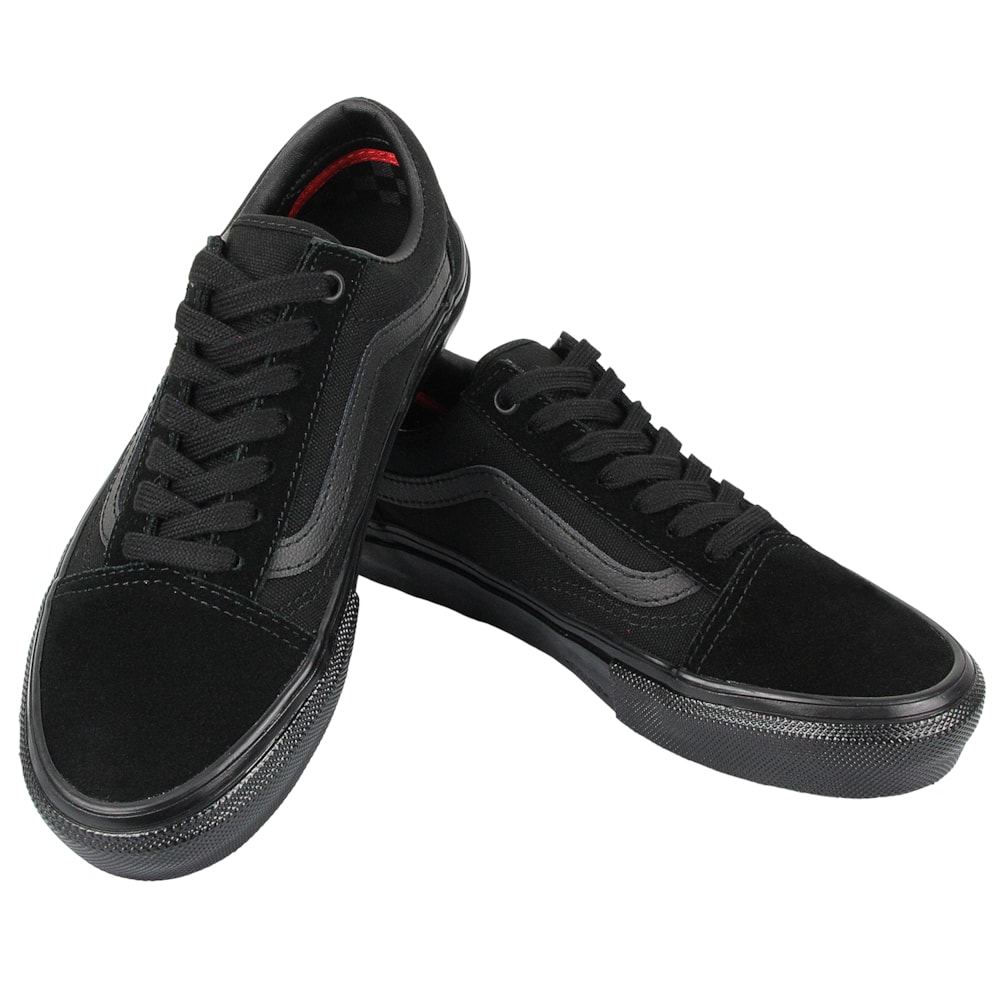
View the mid-guide match on AmazonHow Gravis influenced later skate-shoe design
The brand helped normalize a refined, low-profile skate shoe at a moment when minimalism could easily become anonymous. Clean paneling, dark tonal materials and dress-shoe references offered an alternative to both puffy technical shoes and basic canvas vulcanized models. The idea that a skate shoe could look elegant off the board while remaining credible on it became more common afterward.
Influence is difficult to quantify and should not be turned into claims that every later slim shoe copied Gravis. The more defensible observation is that the brand broadened the acceptable visual language of skate footwear. Its best-known designs remain reference points when skaters discuss shoes that cross performance, fashion and personal identity.
Buying vintage Gravis requires condition judgment
An unworn old pair may look perfect in photographs while hiding brittle rubber, dried adhesives or compressed foam. Flex the outsole gently, inspect the bond line and ask for clear images of the tread, lining and size label. Storage history matters. A collector may accept aging that an active skater should not trust during landings.
Sizing is another risk because archived charts and model notes can be incomplete. Do not rely solely on a current sneaker size or a seller's broad statement. Interior length measurements and return options are useful when available. Collectors should also distinguish original releases, regional reissues and products that merely use similar styling.
Current Amazon availability must be treated conservatively
A Gravis search can surface footwear without a clear connection to the historic skate models. An affiliate catalog should only display an exact product page when the brand, model, image and destination align. Generic search links are especially unhelpful here because they transfer verification work to the shopper and may imply the site found something it did not.
When no verified exact skate product exists, the correct page is an archive guide with no purchase claim. Related current shoes can be discussed as stylistic or construction alternatives, clearly labeled as other brands. That approach preserves the value of Gravis history while still helping a shopper find a wearable modern option.
Gravis's lasting place in skate footwear
Gravis matters because it demonstrated that skate performance and sophisticated design did not need to live in separate shoes. Dylan Rieder's signature chapter is the center of that legacy, but the broader Filter and Tarmac vocabulary shows a company experimenting with how footwear traveled between skating and everyday life.
Today's shopper should approach the name as a historical subject first and a marketplace opportunity second. Verify exact products, respect the limitations of aged footwear and avoid rewriting casual models as technical skate shoes. The brand's real story is strong enough without exaggerated availability or invented specifications.
People also ask
Questions that extend this decision
Gravis Skate Shoes: History, Key Models and Current Availability: What happened to Gravis footwear?
Gravis withdrew from its former broad Western distribution after changes in ownership priorities and market strategy. The name and some products have continued in more limited or regional forms.
Gravis Skate Shoes: History, Key Models and Current Availability: Who made the Gravis Dylan skate shoe famous?
Professional skateboarder Dylan Rieder's skating and personal style made his Gravis signature shoe an enduring reference for refined, low-profile skate design.
Gravis Skate Shoes: History, Key Models and Current Availability: Are Gravis shoes still available?
Some products, imports and old stock may be found, but availability is inconsistent. Verify the exact model and do not assume every Gravis listing is a skate shoe.
Gravis Skate Shoes: History, Key Models and Current Availability: Can vintage Gravis skate shoes still be worn?
They may be wearable casually if the materials remain sound, but aged rubber and adhesive can fail. Performance skating in old stock requires especially careful inspection.
Final verdict
Choose the tradeoff you understand.
Gravis belongs in skate-footwear history, while any current Amazon availability should be checked model by model without implying a complete active catalog. Fit comes first, the repeated session demand comes second, and the exact current product identity comes third. Use Amazon to verify sizes and options without relying on stale price or stock claims.
As an Amazon Associate, we may earn from qualifying purchases.
Check current options on Amazon