

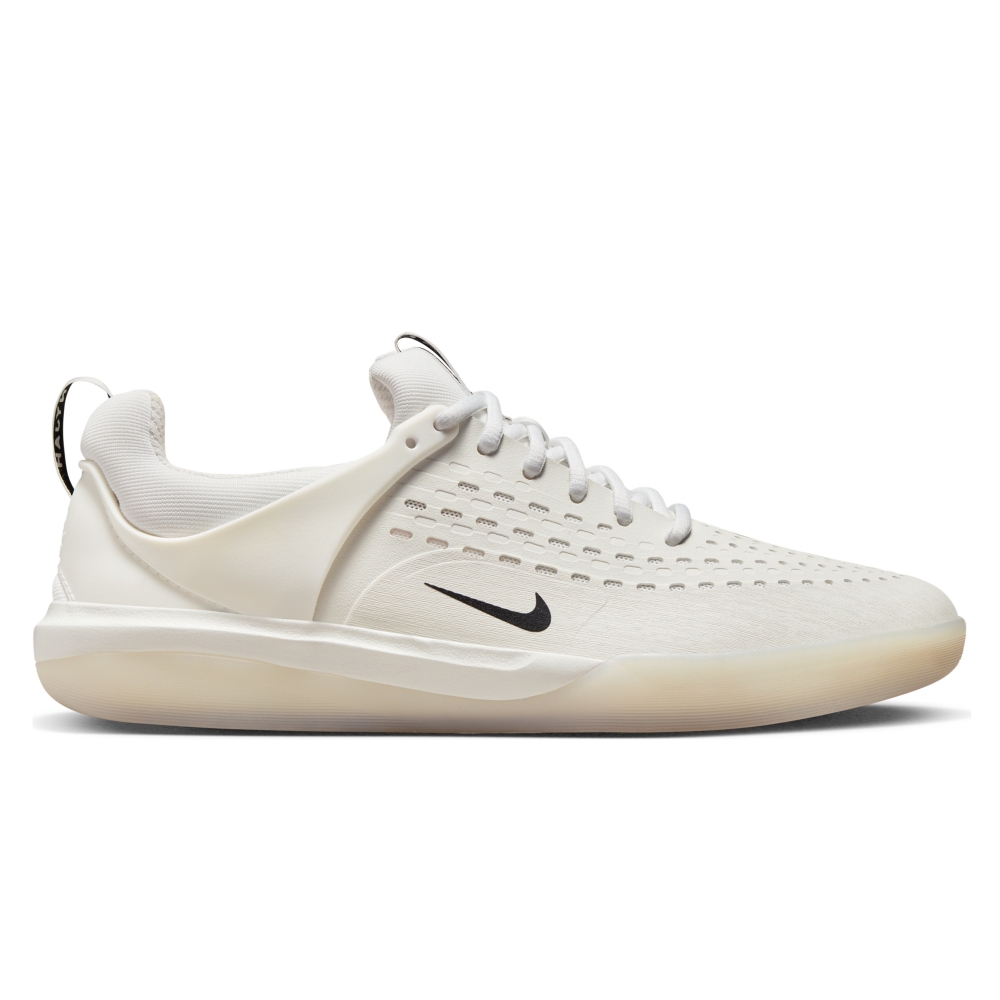

The Janoski is built around restraint
Stefan Janoski's Nike SB signature line became influential by avoiding the visual excess common in earlier technical skate shoes. Its simple low upper, clean toe and vulcanized construction created a shoe that looked casual yet felt deliberate on a board. Current Janoski versions and reissues should be identified exactly, because material, insole and small construction details can vary across generations.
The core proposition remains easy to understand: direct board feel, flexible movement and a shape that does not interfere with flick. That clarity makes the model popular, but it also defines the tradeoff. A lean shoe offers less surrounding padding and underfoot structure than an impact-focused cupsole. The Janoski is strongest when the rider wants its specific minimalism.
Board feel is the reason to shortlist it
Nike describes the Janoski's vulcanized construction as flexible with a broken-in feel, and that is the relevant performance lane. The low sole lets a skater sense concave and adjust foot position quickly. Technical flatground, manuals and ledges can benefit from that information. The simple upper also gives the front foot a consistent contact surface.
More feedback means more sensation from rough ground and imperfect landings. Riders doing repeated drops may find the platform too thin even when the heel includes responsive cushioning. An insert can change impact feel but also changes volume and heel position. If protection is the first priority, compare the Janoski against Nike SB cupsoles instead of asking it to become a different shoe.
The toe shape rewards skaters who like precision
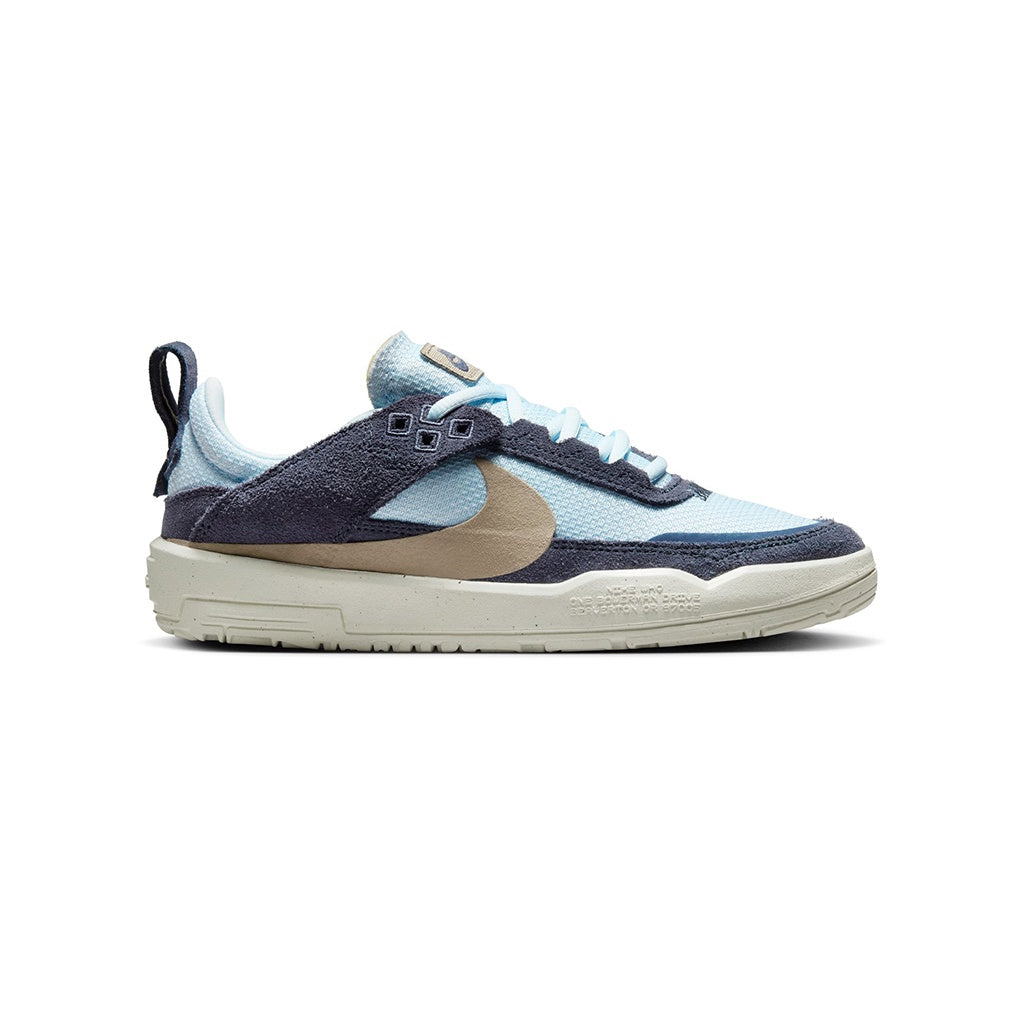
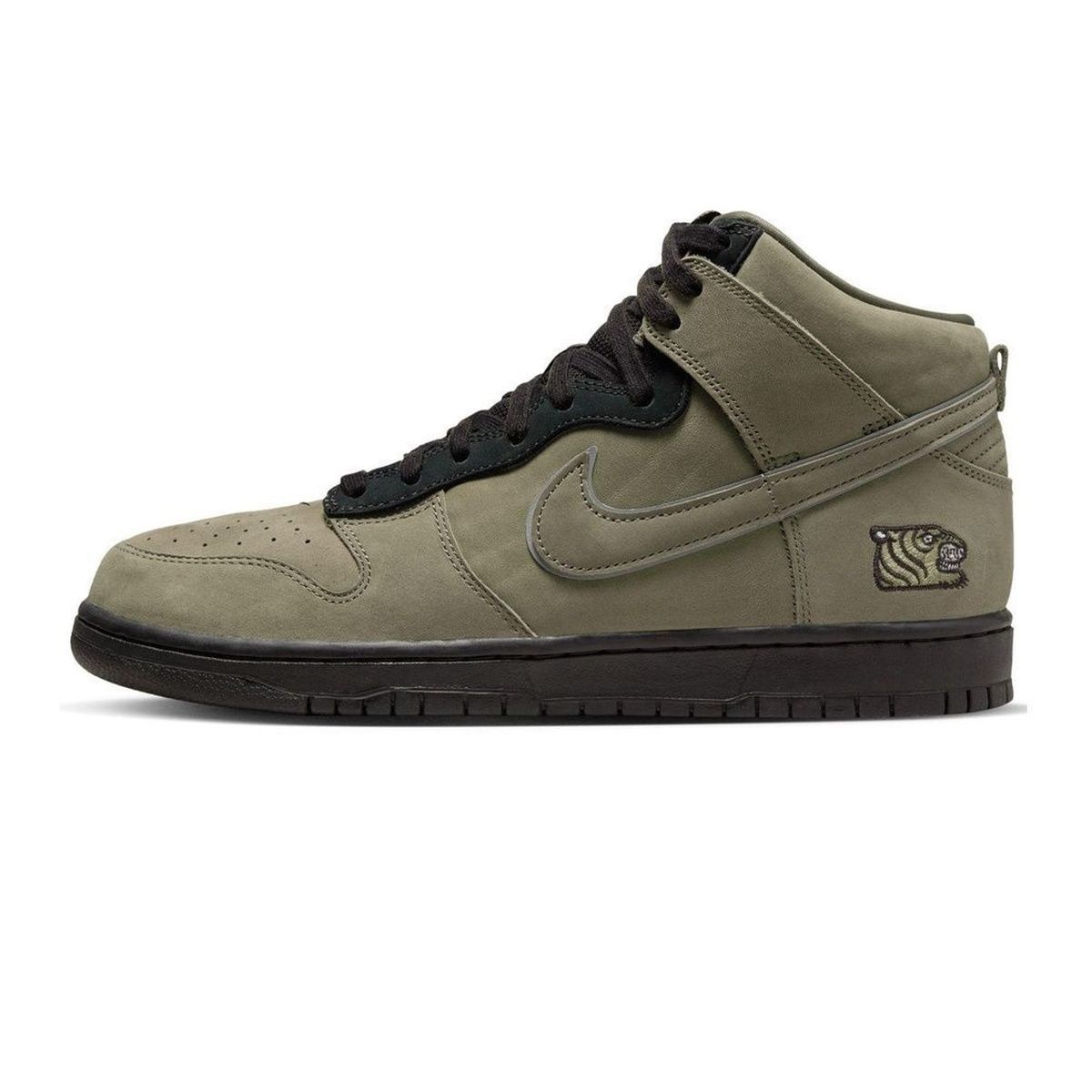
The Janoski's tapered, uncluttered toe is central to its flick. Skaters who prefer a narrow contact point often find it predictable, while broad-footed riders may feel crowded. Suede versions provide a familiar abrasion surface; canvas variants feel lighter but may wear faster under repeated tricks. Exact colorway materials must be checked rather than inferred from a stock image.
A clean toe still has wear points. Grip tape concentrates on the sidewall and leading edge, and laces remain exposed. Monitor seam and lace contact during the first sessions. A thin preventive repair in the actual abrasion zone preserves feel better than coating the entire front. If the toe's geometry does not match your flick, another Nike SB model may be more natural.
Fit is secure when the last matches the foot
Minimal padding makes the underlying shape easier to feel. The heel should sit without lift, the midfoot should not require painful lacing tension and the toes should remain flat. A wide foot may need a different model rather than extra length. Measure both feet and consult the current Nike chart, then use exact-version fit guidance when available.
Because the shoe is low and lean, a thick replacement insole can alter the design substantially. It may crowd the instep or lift the heel above the collar. Test the full setup indoors with skate socks. Suede can soften around the foot, but the sole width and length will not expand enough to correct a fundamentally wrong size.
As an Amazon Associate, we may earn from qualifying purchases.
View the mid-guide match on AmazonJanoski versus Blazer and Force 58
The Janoski is the cleanest minimal lane of the three. The SB Blazer brings a more structured heritage-basketball profile and is available in low and mid cuts. The Force 58 is positioned as a bridge between cupsole durability and vulcanized flexibility. Skaters deciding among them should identify whether toe precision, upper structure or impact balance matters most.
Choose Janoski when immediate flex and a close deck connection lead. Consider Blazer when collar choice and a more structured upper appeal. Consider Force 58 when a cupsole-style base with flexibility better matches rough sessions. The model family is only the first filter; exact material, size and version still determine the purchase.
Casual use is easy, long walking is more personal
The Janoski's restrained styling makes it one of the easiest skate shoes to wear casually. It works with slim or relaxed pants and avoids the bulk of a technical shoe. Short errands and everyday use can feel natural because the sole flexes quickly. On long concrete walks, some wearers may prefer more underfoot structure.
A casual-only buyer can prioritize color and material without needing maximum flick reinforcement. A mixed-use buyer should select suede or another documented durable upper and accept visible skate wear. Keeping a separate clean pair preserves the silhouette. Do not assume a skate shoe's responsive heel feature turns it into a running or all-day work shoe.
Verdict: excellent at one side of the tradeoff
The Nike SB Janoski remains a focused choice for skaters who value board feel, simple styling and a precise toe. Its lasting relevance comes from doing those things clearly rather than trying to maximize every feature. Impact-heavy riders, very wide feet and shoppers wanting substantial ankle padding may be better served elsewhere.
Verify the exact Janoski version and materials on Amazon, because similar names and images can mask generational differences. Use the product-specific link after confirming size and construction. When the last fits and the session is technical rather than impact-dominant, the Janoski's lack of bulk becomes its greatest advantage.
People also ask
Questions that extend this decision
Nike SB Janoski Review: Board Feel, Impact, Fit and Durability: Are Nike SB Janoskis good for board feel?
Yes. Their low vulcanized construction and clean forefoot are designed for flexibility and direct deck feedback.
Nike SB Janoski Review: Board Feel, Impact, Fit and Durability: Are Janoskis good for wide feet?
The streamlined shape may feel restrictive to broad feet. Use exact measurements and model notes, and compare a wider platform rather than automatically adding length.
Nike SB Janoski Review: Board Feel, Impact, Fit and Durability: Do Janoskis have enough impact protection?
They provide more heel help than a bare canvas shoe, but remain a low-profile board-feel model. Frequent gap skaters may prefer a structured cupsole.
Nike SB Janoski Review: Board Feel, Impact, Fit and Durability: What is the difference between Janoski and Force 58?
Janoski emphasizes minimal vulcanized feel. Force 58 is designed to combine more cupsole-like durability with flexible behavior.
Final verdict
Choose the tradeoff you understand.
The Nike SB Janoski belongs on a shortlist only when its current construction, shape and protection match the rider's sessions and fit needs. Fit comes first, the repeated session demand comes second, and the exact current product identity comes third. Use Amazon to verify sizes and options without relying on stale price or stock claims.
As an Amazon Associate, we may earn from qualifying purchases.
Check current options on Amazon