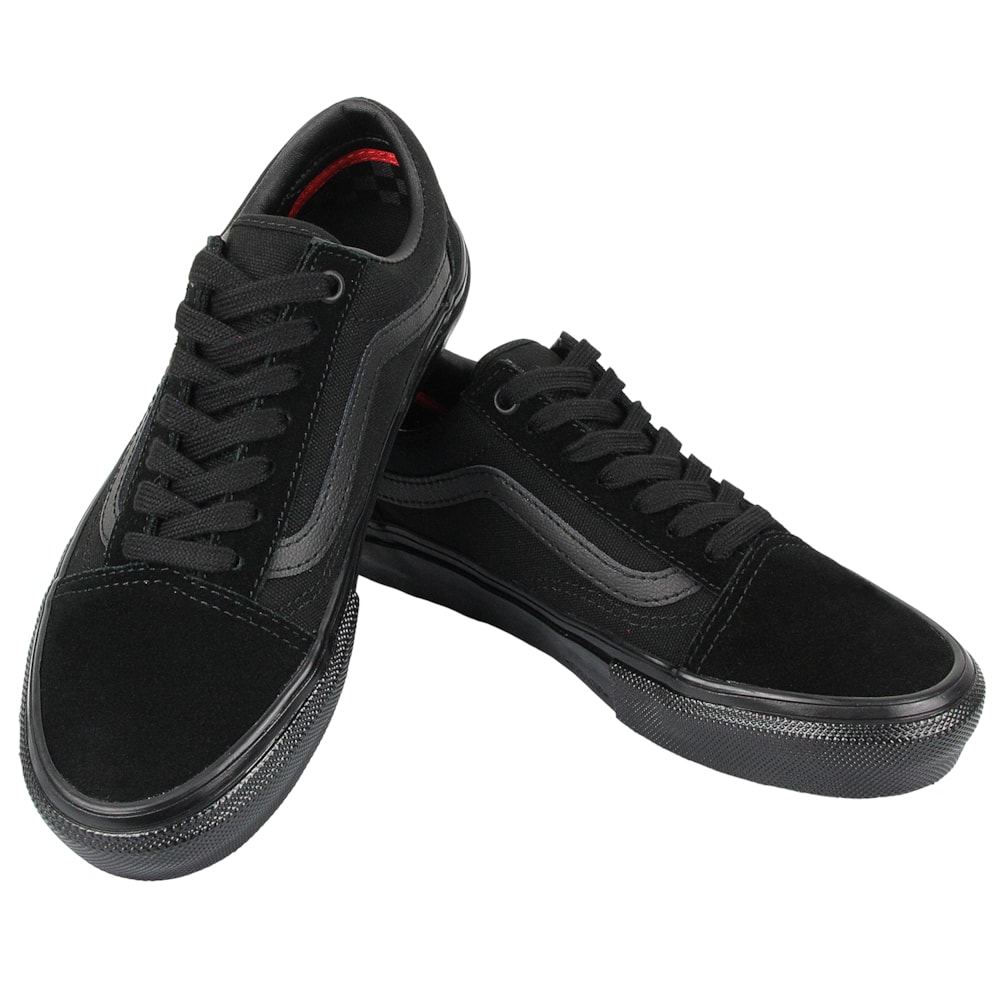


Barefoot and skate requirements pull in opposite directions
Barefoot footwear usually emphasizes toe room, low heel-to-toe geometry, flexibility, and thin ground feedback. Skate shoes must also survive grip tape, hold the foot during lateral catches, and filter repeated impact. A model can move toward minimal construction without satisfying every barefoot convention, and an ordinary barefoot trainer can fail quickly on a board. Define the requested trait first: natural toe shape, less underfoot material, or a flexible zero-drop feel. That prevents the label from overriding abrasion, traction, and security. The best answer is often a skate-specific compromise rather than the thinnest shoe available.
Toe shape is the first gate
A broad anatomical forefoot should let the toes lie naturally without requiring excess length. Heel hold still matters because a roomy front paired with a loose rear foot shifts during flicks and landings. Look at the last rather than assuming a wide-looking upper is truly spacious. Try the pair indoors, crouch, pivot, and load each edge. Toes should not collide with the end, but the flex point must remain aligned with the forefoot. Wide-toe-box skate shoes may satisfy this part of the request even when their sole and cushioning are more conventional than barefoot footwear.
Thin soles increase both feedback and exposure
Less material can make edge position and board angle easy to read, which appeals to technical skaters. It also transmits rough ground, vibration, missed catches, and landing force more directly. A sudden move from a structured cupsole to an extremely thin platform can overload feet and calves before technique adapts. Compare session length and terrain honestly. A short flatground practice is different from repeated stairs or an all-day street outing. The chosen sole should bend naturally without twisting unpredictably, and tread must release consistently instead of locking the foot to the deck.
The upper still needs skate-specific survival
Minimal running or casual shoes often place lightweight mesh exactly where grip tape strikes. For skating, favor suede, durable leather, reinforced textile, or a protective overlay across the personal flick zone. Avoid unnecessary seams and inspect lace exposure. Added reinforcement does not invalidate a minimal goal if it is concentrated rather than bulky. Exact colorways can change upper materials, so verify the selected variation. Repair the first shallow groove and stop using a pair when the sole separates or traction becomes unstable; feeling closer to the board is not a reason to accept structural failure.
As an Amazon Associate, we may earn from qualifying purchases.
View the mid-guide match on AmazonTransition gradually and measure the response
Begin on familiar flat ground with shorter sessions, then inspect soreness, fatigue, skin pressure, and outsole behavior before adding impact. Keep the former skate shoe available as a control rather than changing footwear, terrain, and session length together. Normal muscular adjustment is not permission to skate through sharp or worsening pain. People with injuries, neuropathy, or persistent symptoms should seek individualized medical advice before making a dramatic footwear change. The purpose of transition is to discover whether flexibility and toe room improve control for this rider, not to prove that less shoe is inherently healthier.
A wide skate shoe may be the better compromise
Many shoppers searching barefoot skate shoes primarily want their toes to stop feeling compressed. A wide-toe-box skate model can solve that fit issue while retaining familiar cushioning, rubber, and upper reinforcement. Compare it with a thinner option in the same length. If the wider conventional shoe preserves natural toe position and secure heel hold, sacrificing some ground feel may be worthwhile. Conversely, a symptom-free low-impact skater may prefer the thinner model. Separating toe shape from sole minimalism creates more usable choices and prevents an all-or-nothing purchase based on terminology.
Who should and should not pursue the minimal lane
Minimal skate footwear is most plausible for experienced riders doing controlled, lower-impact skating who deliberately value feedback and have transitioned without pain. Beginners, high-impact skaters, people spending long days on rough ground, and anyone needing certified work or medical footwear should compare more protective options. Build a shortlist with one minimal skate-specific pair, one wide conventional skate shoe, and one balanced low-profile control. Confirm the exact upper, outsole, size, seller, and return terms before ordering. The winner must remain secure, durable enough for the contact path, and appropriate for ordinary sessions.
Transition gradually rather than replacing every session at once. Begin on smooth, familiar ground for a brief period and monitor calves, arches, heels, and the skin around the forefoot afterward. Increased sensory feedback is expected; escalating soreness, numbness, or altered gait is not a training goal. Keep the former shoe available so exposure can be reduced immediately. A thin sole changes loading and does not prove that the toes have functional room, so evaluate shape and underfoot thickness as separate features.
People also ask
Questions that extend this decision
Best Barefoot Skate Shoes: Picks by Fit and Session: Can a normal barefoot trainer be used for skateboarding?
It may work briefly, but lightweight mesh and running-oriented tread often lack the abrasion resistance and lateral security expected from a skate shoe.
Best Barefoot Skate Shoes: Picks by Fit and Session: Is a wide-toe-box skate shoe automatically barefoot?
No. Toe shape is only one feature; barefoot designs also concern sole thickness, flexibility, and heel-to-toe geometry.
Best Barefoot Skate Shoes: Picks by Fit and Session: Do thinner skate soles always improve control?
They increase feedback, but also transmit more impact and roughness. Control depends on fit, predictable grip, technique, and the rider's terrain.
Best Barefoot Skate Shoes: Picks by Fit and Session: How quickly should I transition to minimal skate shoes?
Start with short familiar sessions and change one variable at a time. Stop for sharp or worsening symptoms and seek qualified guidance when pain persists.
Final verdict
Choose the tradeoff you understand.
The best barefoot skate shoes are the pairs that meet this exact need without giving up secure fit, predictable grip or the protection your sessions require. Fit comes first, the repeated session demand comes second, and the exact current product identity comes third. Use Amazon to verify sizes and options without relying on stale price or stock claims.
As an Amazon Associate, we may earn from qualifying purchases.
Check current options on Amazon