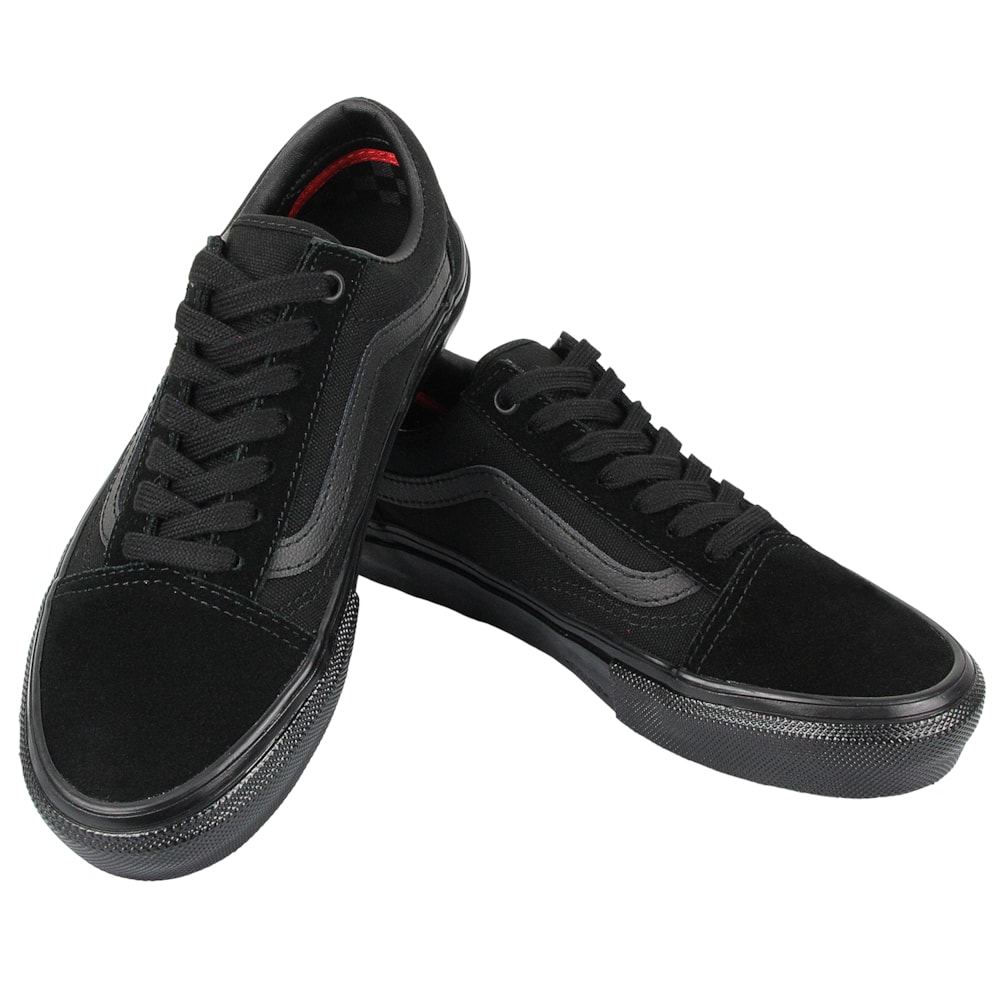
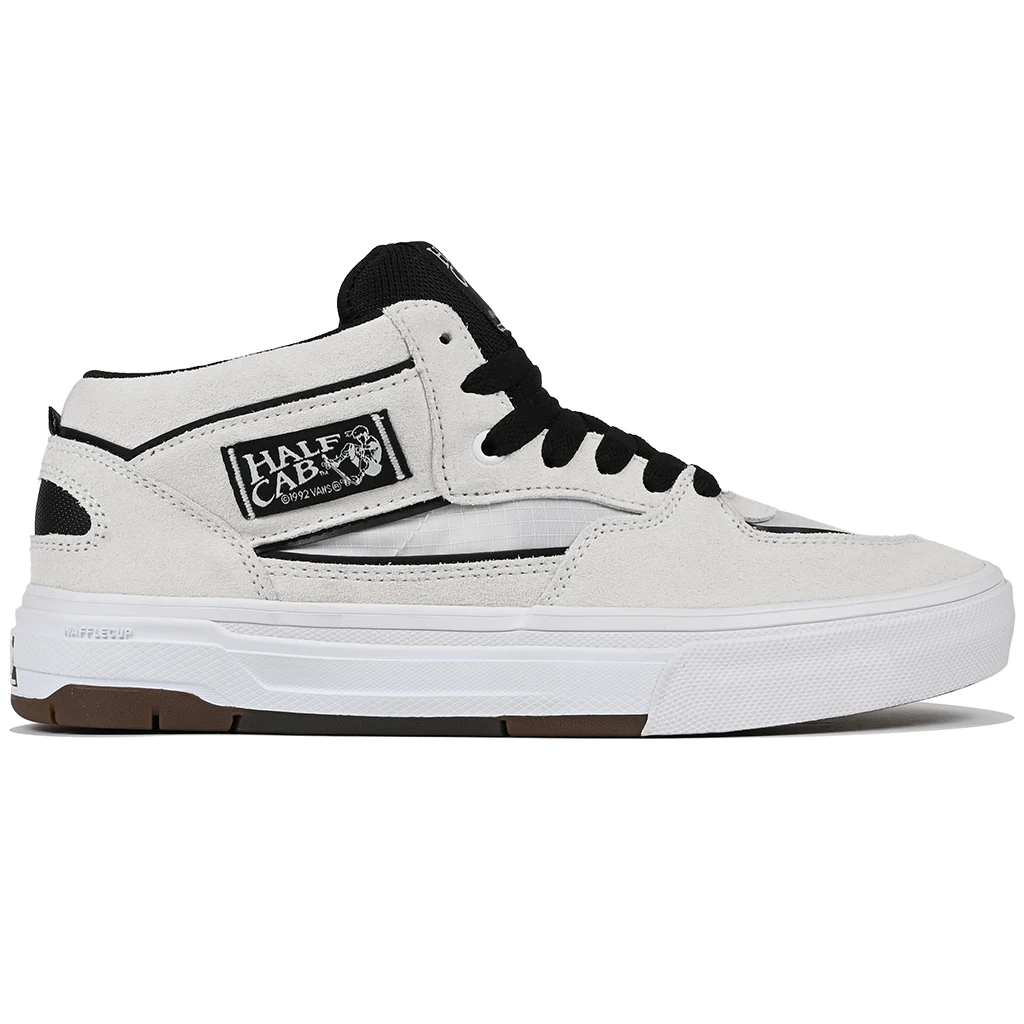
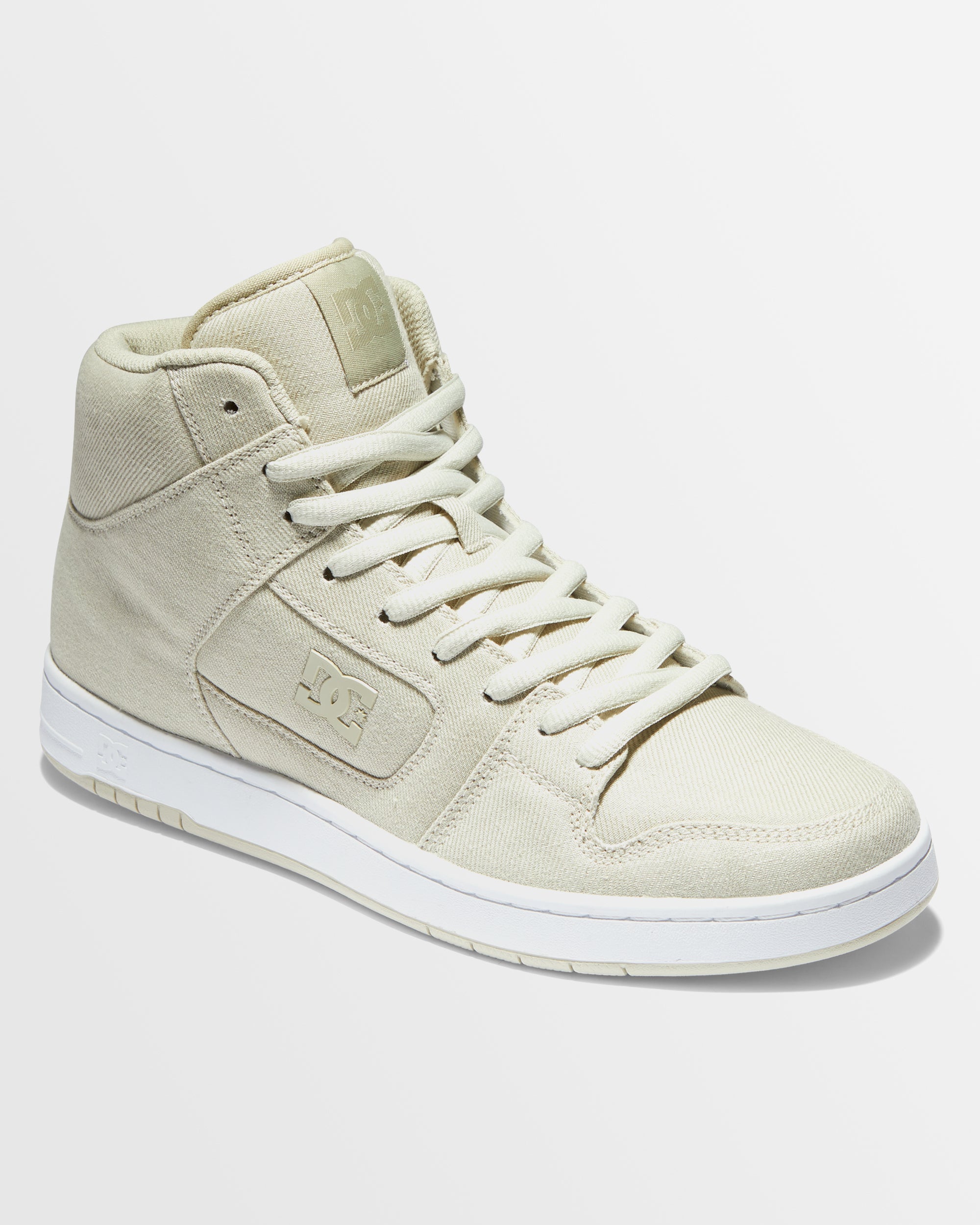

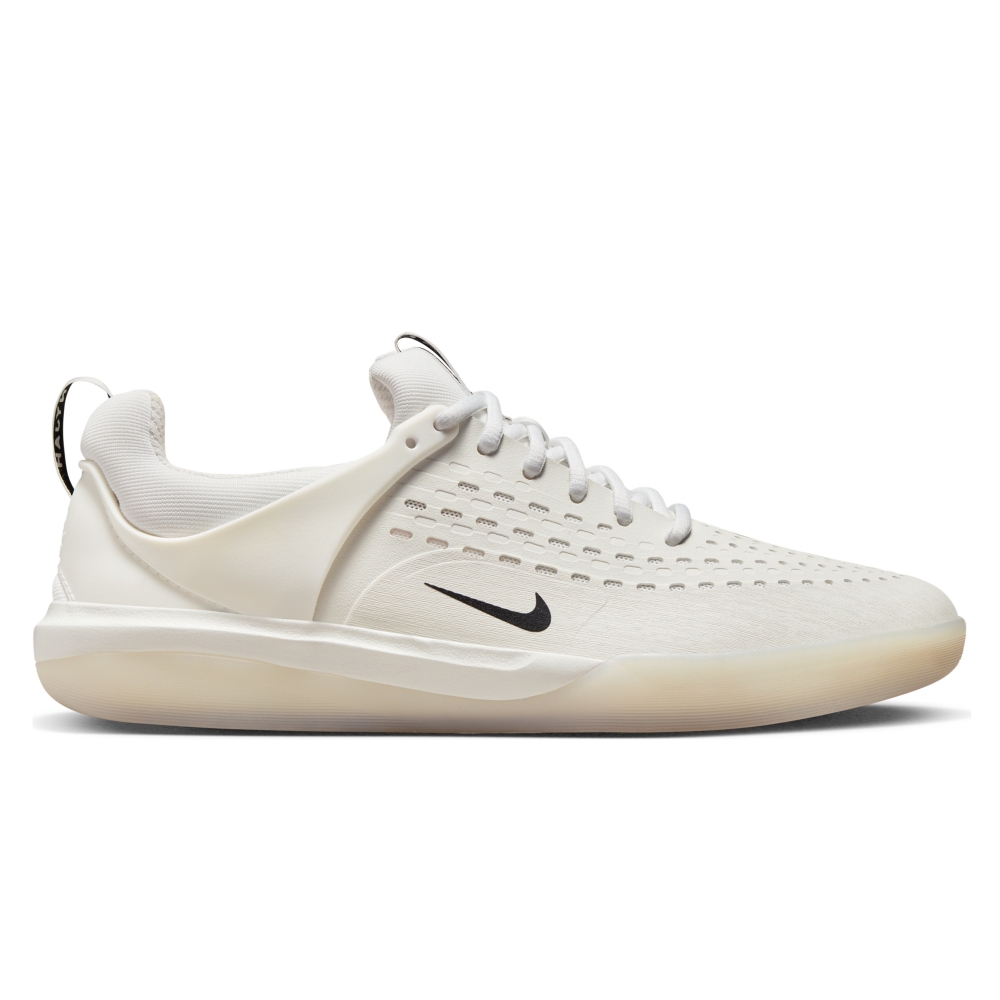

Arch support is a fit relationship, not a visible bump
A raised section beneath the midfoot is not automatically useful support. It must meet the person's arch in the correct place, allow the heel to sit securely and avoid shifting pressure toward the forefoot. Skateboarding adds another requirement: the foot still needs to sense and control the deck. Start by identifying what feels wrong in current shoes—fatigue, excessive interior volume, a collapsed insole or a prescribed orthotic that will not fit—rather than shopping for the strongest-sounding support claim. Persistent or significant pain deserves assessment by a qualified clinician.
Removable insoles create the most adaptable lane
A skate shoe with a removable factory insole makes it easier to test a different footbed or prescribed orthotic without stacking layers. Remove the original insert completely unless the replacement instructions say otherwise. Check that the new device lies flat, does not curl and leaves adequate toe height. The heel must remain below the collar's containment point; if it rises, the shoe may slip even though the arch feels supported. Bring the intended insert during fitting because a shoe that works empty can become too shallow once the full setup is installed.
Structured cupsoles often feel steadier underfoot
Cupsole skate shoes generally provide a more defined platform than the thinnest vulcanized designs. That structure can reduce excessive twisting sensation and give an orthotic or supportive insert a stable base. It can also add stiffness, weight and distance from the board. Look for a model that bends at the forefoot rather than folding through the arch, then confirm that the heel counter holds without rubbing. The best result is controlled motion, not a rigid shoe that forces the foot into an uncomfortable position or delays necessary movement during skating.
Depth and width matter as much as the insert
Adding support consumes internal volume. A wide foot may become pinched, a high instep may feel pressure beneath the laces and toes may contact the upper. Sizing longer is often a poor fix because it moves the flex point and arch alignment forward while allowing heel movement. Instead, compare models with a naturally compatible shape and enough depth. Use session socks, lace the shoe normally and stand for several minutes. The toes should remain relaxed, the insert should not rock and the heel should stay contained during a forward roll.
As an Amazon Associate, we may earn from qualifying purchases.
View the mid-guide match on AmazonBoard feel changes when the foot sits higher
Every layer between foot and deck affects feedback. A thick supportive footbed inside a thick cupsole can make edge location less immediate, particularly for a rider used to thin vulcanized shoes. That tradeoff may be worthwhile when comfort and stability improve, but it should be tested rather than assumed. Begin with low-risk flatground and simple rolling after changing the setup. Avoid introducing a new insert immediately before a demanding session. If foot placement feels delayed or the heel lifts, reassess shoe depth and lacing instead of waiting for unsafe movement to feel normal.
Support does not replace impact management
Arch comfort and landing protection are related only indirectly. A shaped insole may distribute contact under the foot, yet it does not turn a flexible skate low into a deep impact platform. Riders repeatedly using stairs, gaps or transition should consider the entire sole, heel cushioning and lateral stability. Likewise, soft foam can feel comfortable in a store without supporting the midfoot through a long session. Separate the two questions: does the shoe place the arch comfortably, and does the complete construction match the forces of the intended skating?
Use an indoor test to identify pressure early
Keep the outsole clean while evaluating the shoe and insert together. Stand in a skating stance, shift weight toward each edge, perform shallow knee bends and walk long enough for pressure to become apparent. A supportive setup should not create tingling, numbness, a hard ridge beneath the arch or a feeling that the foot is being pushed outward. Compare both feet because arch height and volume can differ. Do not depend on severe discomfort disappearing with break-in; materials may soften, but incorrect placement and insufficient depth rarely solve themselves.
Build the shortlist around compatibility
First, decide whether a removable insole is mandatory. Next, choose cupsole or more flexible construction according to skating demands. Then filter for the required width and depth, checking exact model information rather than general brand reputation. Take the intended orthotic or insert to the fitting and reject any combination that destabilizes the heel. A qualified podiatrist or sports-medicine professional should guide choices involving diagnosed conditions, injuries or prescribed devices. The useful skate shoe is the one that accommodates that plan while preserving predictable control, not the model with the most aggressive support language.
People also ask
Questions that extend this decision
Best Skate Shoes with Arch Support: Picks by Fit and Session: Do ordinary skate shoes provide medical arch support?
They may include shaped insoles or structured soles, but that is not the same as a medical device or individualized treatment. Diagnosed conditions and persistent pain should be discussed with a qualified professional.
Best Skate Shoes with Arch Support: Picks by Fit and Session: Can I place an orthotic on top of the original insole?
Usually the cleaner fit test is to remove the factory insert and use the replacement as directed. Stacking can crowd toes and lift the heel; follow the orthotic provider's instructions.
Best Skate Shoes with Arch Support: Picks by Fit and Session: Are cupsole skate shoes always better for high arches?
No. A cupsole may provide a stable base, but arch placement, interior depth, width and heel containment still must match the individual foot and any insert.
Best Skate Shoes with Arch Support: Picks by Fit and Session: Why does my heel slip after adding an insole?
The replacement may be thicker and raise the heel above the collar's secure zone. A deeper shoe, lower-volume footbed or different model may be necessary.
Final verdict
Choose the tradeoff you understand.
The best skate shoes with arch support are the pairs that meet this exact need without giving up secure fit, predictable grip or the protection your sessions require. Fit comes first, the repeated session demand comes second, and the exact current product identity comes third. Use Amazon to verify sizes and options without relying on stale price or stock claims.
As an Amazon Associate, we may earn from qualifying purchases.
Check current options on Amazon