

A beginner shoe should make the board predictable
New skaters benefit from secure fit, flat grip, manageable flex and enough cushioning for the practice surface. Extreme designs create avoidable distractions: an ultra-thin sole can make every imperfect landing harsh, while a massive technical shoe can hide the board. A balanced model lets the rider focus on pushing, turning, stopping and first tricks.
The shoe should also be replaceable. Grip tape is designed to create friction, and early ollie practice can damage an upper quickly. A readily available general colorway is often a better session choice than a scarce collaboration the beginner is afraid to mark.
Best flexible starter lane: reinforced vulcanized low tops
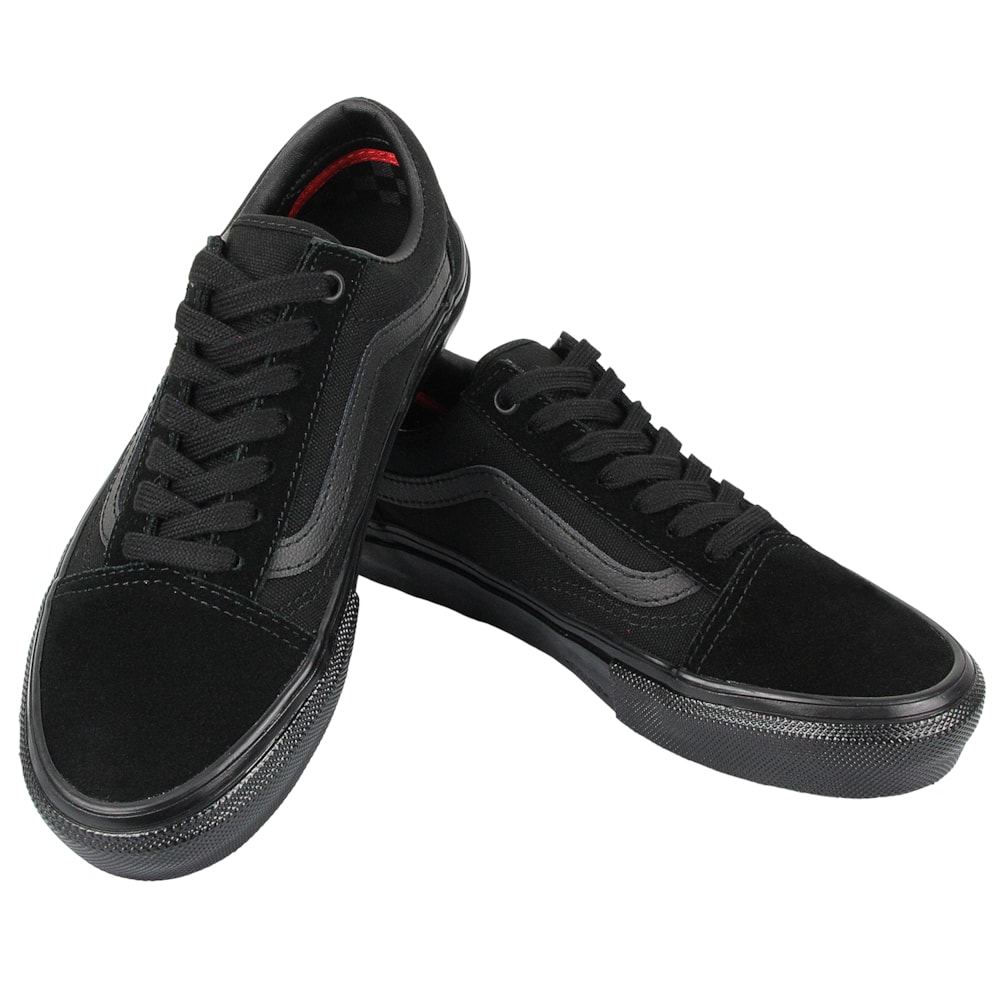
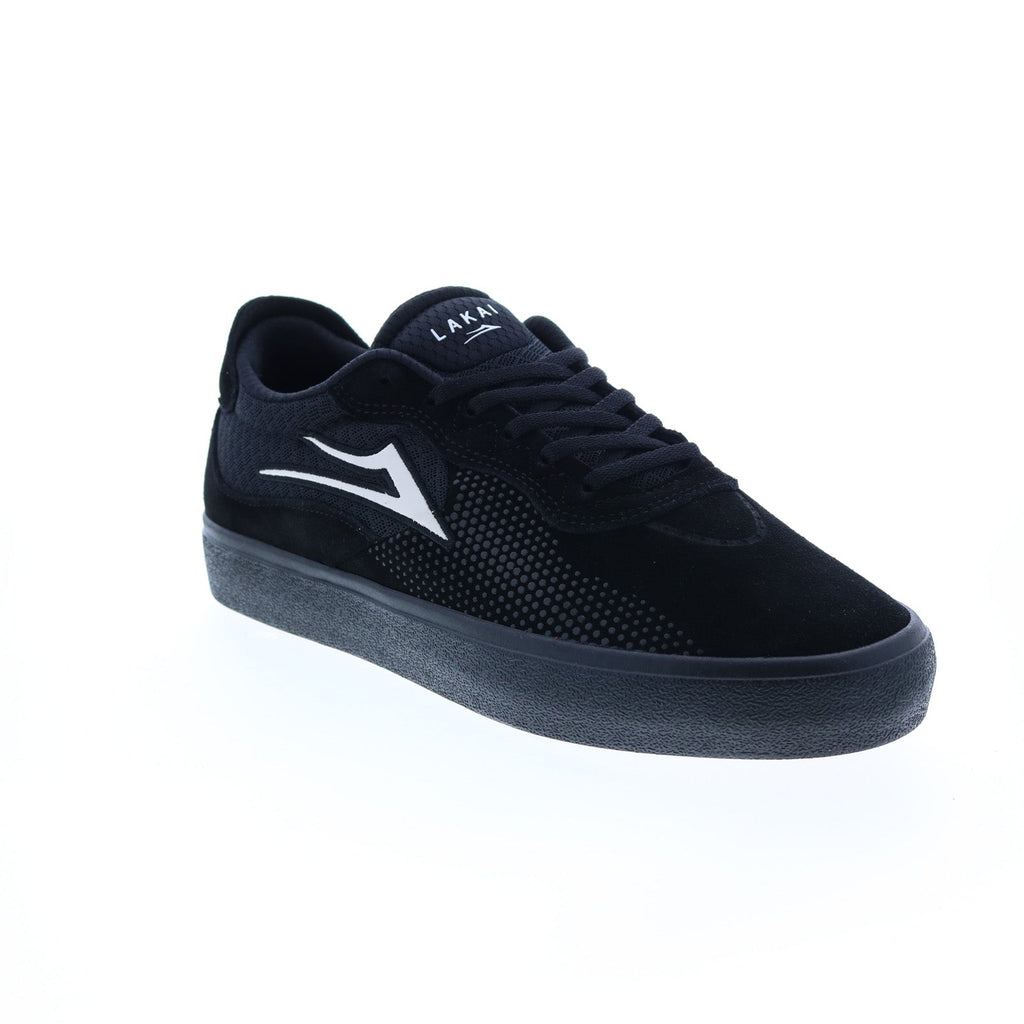
Vans Skate Classics, Nike SB Chron 2, New Balance Numeric 306, Lakai Cambridge and selected Emerica models give direct board feedback. Choose a skate-specific version with reinforcement rather than a basic canvas lifestyle shoe. Suede in the ollie zone improves the chance of surviving repeated practice.
This lane works well on smooth flatground and for lighter riders. The compromise is impact. A learner using stairs, rough parks or a higher body weight may prefer a moderate cupsole from the start.
Best protective starter lane: moderate cupsoles
adidas Busenitz, New Balance Numeric 440 and similar balanced cupsoles add heel structure without becoming the largest puffy shoes. They take more time to flex but can make repeated imperfect landings less sharp. Etnies Marana moves farther toward durability and impact support.
A cupsole is not automatically advanced or difficult. It simply changes the feedback. Beginners should compare one flexible and one structured option indoors, then choose the sensation that feels stable rather than fashionable.
Fit is the first beginner feature
Heel movement makes foot placement inconsistent. Excess length blurs where the toe ends; insufficient width causes pressure and distraction. Begin with the normal sneaker size and test the exact model with skating socks. The toes should remain natural and the forefoot flex should align with the foot.
Do not buy large for a child or adult in hopes of extending life. A loose shoe undermines control. Growing youth feet should be checked frequently, and size conversion should come from the exact product chart.
As an Amazon Associate, we may earn from qualifying purchases.
View the mid-guide match on AmazonChoose suede unless another material has a clear reason
Suede is the practical beginner default because it balances abrasion resistance, flick and ordinary break-in. Canvas is lighter and cooler but may wear quickly during ollies. Leather adds structure. Vegan and synthetic uppers vary enough that exact panel information is required.
Inspect seams and laces. Beginners often repeat the same movement many times, concentrating damage in one place. A reinforced one-piece toe or protected ollie area can matter more than a premium insole if upper failure arrives first.
Avoid features that solve no current problem
A heavy padded shoe is unnecessary if the learner only cruises. A barefoot-style shoe reduces protection and should not be selected simply for foot-shaped marketing. A waterproof model adds value only when damp conditions are genuinely part of use. Start with the basic demands and add features deliberately.
Likewise, a shoe cannot treat pain, flat feet or heel bruising. Comfort features may help ordinary fit, but persistent symptoms are a reason to stop and seek qualified guidance.
Make the first pair last through maintenance
Check the ollie zone after each early session. A thin preventive repair layer can help when used according to the product label, but broad coating changes flex. Replace torn laces, dry damp shoes naturally and rotate pairs if possible.
Retire a pair when the sole becomes unstable, tread is dangerously worn or cushioning no longer feels consistent. Learning on broken footwear changes the signal from the board and can make progress feel unpredictable.
Use an arrival checklist before the first session
Confirm that the box and tongue label match the model ordered, then inspect both shoes for sole separation, uneven construction or a wrong variation. Wear the pair indoors with skating socks. Practice stance, a shallow squat and careful side steps without taking the shoes onto grip tape.
The learner should be able to describe heel hold, toe room and underfoot firmness in plain language. If one foot feels different, remeasure both feet and inspect the lacing. Keep the seller's current return terms available until fit is settled; a first session permanently marks the upper and sole.
Final beginner picks by practice setting
Choose a reinforced vulcanized low top for smooth-ground feedback, a moderate cupsole for mixed park use, and a durable impact shoe for frequent harder landings. Wide-foot beginners should place verified shape ahead of every brand recommendation.
Compare exact Amazon products and confirm the skate-specific version, material and size. The best first shoe is understandable, secure and suited to today's practice—not the most technical pair a professional might use.
People also ask
Questions that extend this decision
Best Skate Shoes for Beginners: Picks by Fit and Session: Do beginners need skate-specific shoes?
A flat sneaker can handle a cautious first roll, but skate shoes provide more predictable grip, shape and abrasion resistance once practice continues.
Best Skate Shoes for Beginners: Picks by Fit and Session: Are cupsoles too stiff for beginners?
Not necessarily. They provide structure and impact balance. Compare them with a flexible vulcanized shoe and choose according to terrain and comfort.
Best Skate Shoes for Beginners: Picks by Fit and Session: What upper is best for a first skate shoe?
Suede is a strong all-around default because it handles abrasion better than unreinforced canvas while remaining flexible.
Best Skate Shoes for Beginners: Picks by Fit and Session: Should kids' skate shoes include growing room?
A small amount is sensible, but the shoe should not slide or fold. Check growing feet frequently instead of buying far too large.
Final verdict
Choose the tradeoff you understand.
The best skate shoes for beginners are the pairs that meet this exact need without giving up secure fit, predictable grip or the protection your sessions require. Fit comes first, the repeated session demand comes second, and the exact current product identity comes third. Use Amazon to verify sizes and options without relying on stale price or stock claims.
As an Amazon Associate, we may earn from qualifying purchases.
Check current options on Amazon