

Board feel is information from the deck, not simply a thin sole
A board-feel shoe lets the rider sense concave, bolts, edge angle and pressure changes without delay. Thin vulcanized soles often excel because they flex easily and keep the foot close to the deck. Yet rubber grip, heel hold and forefoot shape also matter. A loose minimal shoe transmits less useful control than a slightly thicker shoe that moves exactly with the foot.
The best choice preserves enough protection for the session. Maximum feedback is not automatically better when every landing hurts or the sole becomes unstable after wear. Technical flatground riders often prefer the direct end of the spectrum; gap and transition riders may choose a hybrid or low cupsole to keep information while adding structure.
Best pure-vulcanized lane
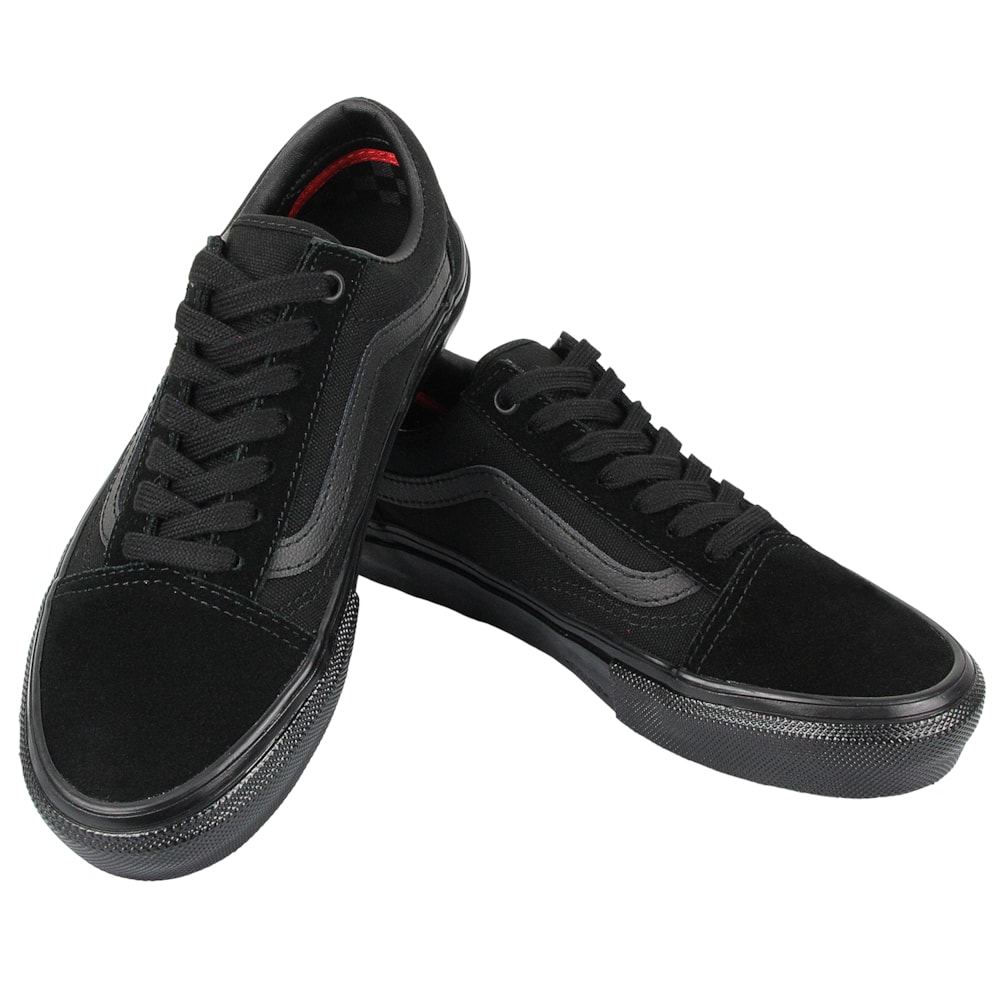
Models such as the Nike SB Janoski, New Balance Numeric 306, Vans Skate Authentic, Skate Era and Skate Slip-On illustrate the low-profile vulcanized lane when exact current versions are verified. Their flexible forefeet and simple shapes favor quick break-in and deck feedback. Suede options add practical flick durability without the weight of a technical cupsole.
These models are not identical. Toe taper, collar padding, heel cushioning and width can change control more than a few millimeters of sole. Slip-ons require precise last fit; laced models offer adjustment. Compare exact attributes instead of choosing the first shoe described as vulcanized.
Best hybrid lane
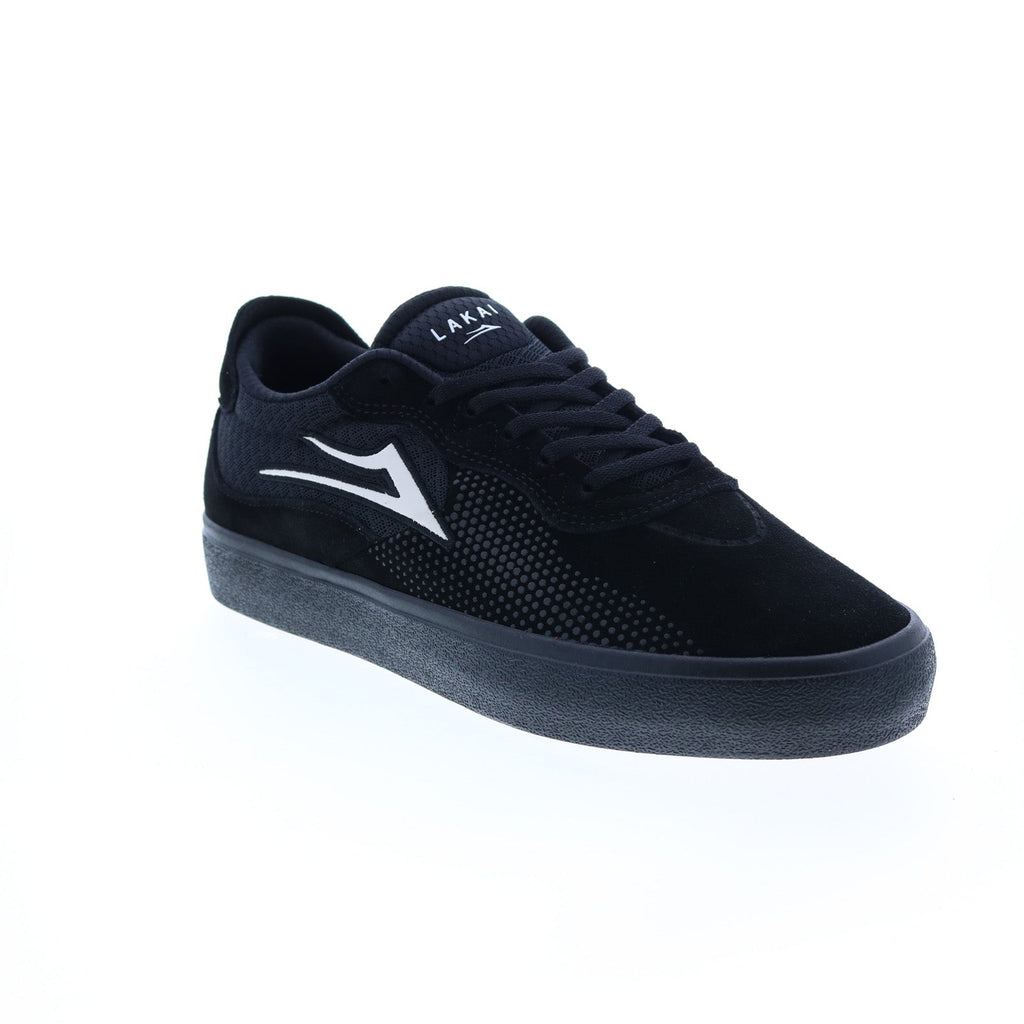
Some skaters want vulcanized flexibility with more structure. Nike SB describes the Force 58 as combining cupsole durability with vulcanized flexibility, and Vans WaffleCup models pursue a related middle ground through their own construction. Converse CONS AS-1 Pro and other engineered cupsoles also aim to preserve control while adding cushioning.
A hybrid is useful for rough streets, larger obstacles and riders leaving an ultra-thin shoe because of impact discomfort. It will not feel identical to a minimal sole. The goal is retaining enough forefoot response that timing remains clear while reducing the harshness that shortens sessions.
Toe shape determines the quality of flick feedback
A tapered toe gives a precise contact point; a rounder toe provides a broader flick surface. Neither is universally superior. The best shape aligns with how the skater drags and releases the front foot. Clean suede panels often produce consistent wear, while raised seams or bulky overlays can change feedback as they abrade.
Look at the old front shoe. The polished or torn area shows the real contact path. Compare that mark with the new model's toe geometry and panel edges. A highly rated board-feel shoe can still feel wrong if its flick zone sits somewhere your technique does not use.
As an Amazon Associate, we may earn from qualifying purchases.
View the mid-guide match on AmazonGrip must allow both hold and repositioning
Fresh rubber should hold the deck during setup and landing without making small foot adjustments feel trapped. Tread depth and compound influence that balance, but wear quickly changes it. A shoe can retain excellent thin-sole feedback while losing predictable grip in the pivot zone.
Brush packed dust from the outsole and inspect the front-foot and pushing-foot wear. Deep tread under the arch does not compensate for a smooth ball of the foot. Board feel without traction becomes uncertainty, so outsole condition belongs in every replacement decision.
Fit is the hidden board-feel multiplier
The heel must remain planted and the midfoot should move with the upper. Extra length introduces a delay between foot and shoe, while painful tightness restricts natural movement. Measure both feet, use exact model charts and avoid sizing down merely to create a performance feel.
Replacement insoles can add comfort but also lift the foot and change the shoe's connection. A thick soft insert may dampen deck detail or crowd the toes. Use the lowest-volume setup that provides sufficient protection and keeps the foot stable. Persistent pain is not a board-feel tradeoff worth accepting.
Match board feel to terrain
For flatground and ledges, prioritize flexible forefoot, clean toe and secure low-profile fit. For rough street spots, add a more supportive insole or hybrid platform. For transition, grip and lateral stability may matter as much as sole thinness. For stairs and gaps, move toward a cupsole even if the deck feels less detailed.
Beginners should choose balanced feedback rather than the thinnest possible shoe. They need to feel foot placement but also survive inconsistent landings. As technique improves, the worn pair will reveal whether more precision or more protection should come next.
Final board-feel shortlist
Build a shortlist with one pure vulcanized model, one hybrid and one low-profile cupsole. Compare them on exact fit, toe shape, materials and intended terrain. The winner is the shoe that communicates the board while leaving enough comfort to finish the session.
the products shown should link to the exact model and colorway on Amazon with no stale price or availability claim. Read the model review before deciding whether a famous board-feel shoe fits wide, handles impact or uses the desired upper. Board feel is a personal performance preference, not a brand-wide score.
People also ask
Questions that extend this decision
Best Skate Shoes for Board Feel: Picks by Fit and Session: Do vulcanized skate shoes have the best board feel?
They usually offer quick flex and close feedback, but secure fit, grip and toe shape also determine control. Hybrids can provide a useful compromise.
Best Skate Shoes for Board Feel: Picks by Fit and Session: Can cupsole skate shoes have good board feel?
Yes. Lower-profile and engineered cupsoles can deliver clear control after break-in while adding structure and impact protection.
Best Skate Shoes for Board Feel: Picks by Fit and Session: Does a thinner insole improve board feel?
It can increase feedback, but it also changes fit and protection. The heel must remain secure and landings should not become painful.
Best Skate Shoes for Board Feel: Picks by Fit and Session: What skate shoe has the most board feel?
There is no universal winner because foot shape and toe preference matter. Start with verified low-profile vulcanized models and compare exact fit.
Final verdict
Choose the tradeoff you understand.
The best skate shoes for board feel are the pairs that meet this exact need without giving up secure fit, predictable grip or the protection your sessions require. Fit comes first, the repeated session demand comes second, and the exact current product identity comes third. Use Amazon to verify sizes and options without relying on stale price or stock claims.
As an Amazon Associate, we may earn from qualifying purchases.
Check current options on Amazon