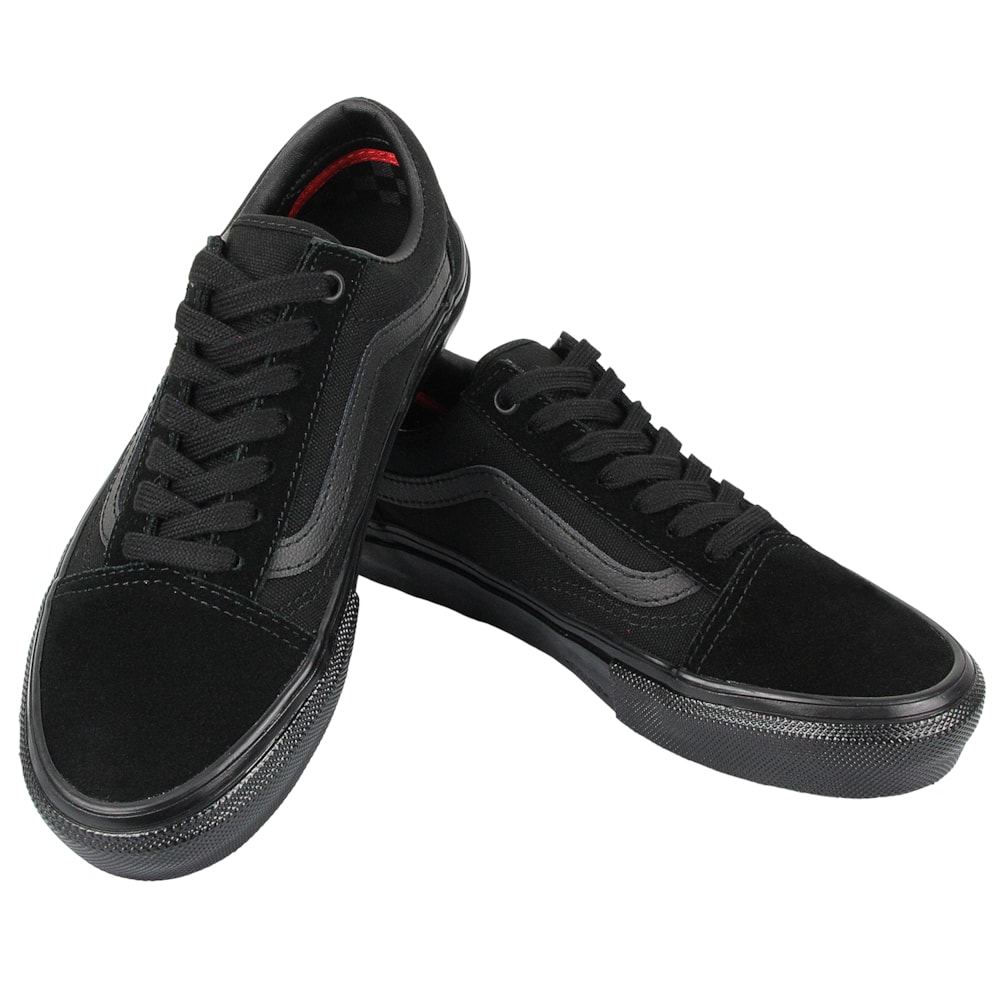
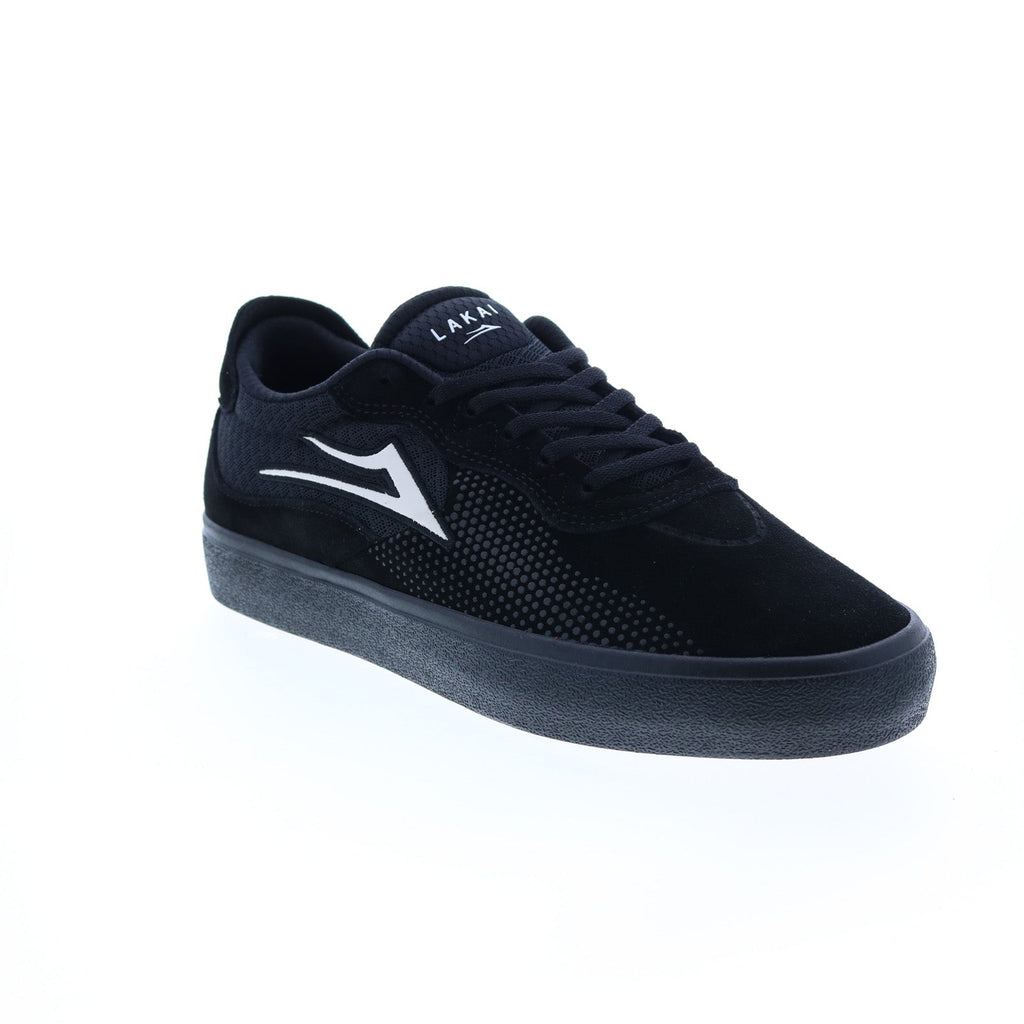



Impact footwear begins with a stable landing platform
A shoe for repeated drops should keep the heel centered, resist unwanted side movement and distribute contact through a predictable sole. Softness alone is not the answer. Foam that feels plush under a thumb may compress quickly or allow the foot to wobble, while a firmer platform can feel controlled over a longer session. Fit is inseparable from protection: extra length lets the foot slide, and a narrow toe forces a tense stance. Test containment indoors before comparing cushioning impressions or technical descriptions.
Cupsoles form the main comparison lane
Structured cupsoles generally provide more separation from hard contact than the thinnest vulcanized shoes, making them the logical starting category for stairs, gaps and larger transition. Their sidewalls and heel platforms can also create lateral stability. The costs are added weight, a possible break-in period and less immediate deck feedback. Not every cupsole is deep or impact-focused, so compare exact construction. A balanced model may suit mixed sessions, while a technical platform better serves a rider whose day repeatedly returns to heavy landings.
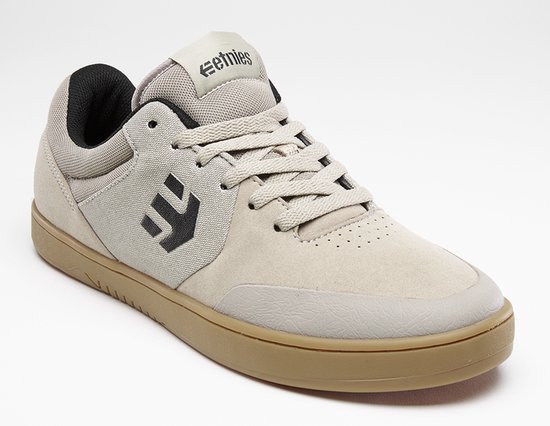
Etnies Marana represents the durable technical lane
The Etnies Marana family is commonly considered by skaters seeking a substantial, abrasion-conscious cupsole. Its value in a shortlist is as a reference point for structure and hard-use intent, not as an automatic winner for every foot. Verify the exact Marana version because neighboring names and material variations should not be merged. Riders coming from thin shoes may need time to adapt to its platform. Check heel containment, forefoot bend and whether the upper's reinforced areas line up with the rider's actual grip-tape contact.
New Balance Numeric offers several levels of protection
Numeric's 1010 occupies a more technical lane than board-feel-focused entries such as the 272 or 306, while the 440 often serves as a middle comparison. This range is useful because “New Balance skate shoe” is not one underfoot experience. The 1010 may appeal when impact and structure lead; the 440 can suit mixed sessions; lower models favor closer feedback. Exact fit and available width designation must be checked by model. A familiar running-shoe logo does not predict skate-shoe cushioning or shape.
As an Amazon Associate, we may earn from qualifying purchases.
View the mid-guide match on AmazonNike SB and adidas technical models broaden the test
Nike SB and adidas Skateboarding both include shoes that move beyond their simplest vulcanized silhouettes. Compare their current cupsole or structured signature options by heel depth, forefoot flex, upper containment and deck connection rather than by athlete name alone. A signature association can explain design intent, but the rider's foot still decides whether the platform lands securely. Confirm the skate version on the product page; lifestyle shoes with similar branding should not inherit impact claims from SB or ADV models.
Insoles cannot redesign an unsuitable sole
A replacement insole can change contact, heel feel and arch placement, but it cannot give a thin flexible platform the sidewall structure or depth of a technical cupsole. Added thickness may lift the heel and crowd the toes. Remove the original insert when the replacement instructions call for it, and test the complete setup indoors. Riders using prescribed orthotics should follow professional guidance. If ordinary landings remain unusually painful, stop and reassess rather than stacking foam or continuing through symptoms.
Break-in should preserve control throughout
A firm impact shoe can become more natural after short, low-risk sessions. During that process, the forefoot should begin bending near the foot's joint while the heel remains stable. Sharp pressure, numbness or toes pushed forward are fit failures, not evidence that the shoe needs punishment. Introduce the new pair on flatground, ledges or smaller transition before testing the obstacle that motivated the purchase. This gives the rider time to learn the platform without combining unfamiliar timing and maximum landing force.
Inspect the pair after these early sessions. Uneven insole compression, new heel movement or a sole edge beginning to lift matters more than an upper crease. If the shoe becomes less stable as it loosens, additional impact is not the correct next test. Return to a known setup and reassess the model choice.
Choose for repeated load, then manage progression
Create a three-model shortlist: one technical impact cupsole, one balanced platform and one familiar alternative to show how much board feel is being traded. Verify exact size, upper and model identity, then compare heel stability and forefoot control indoors. The winner should address the common landing workload, not promise immunity from injury. Shoes reduce or redistribute sensation; they cannot replace strength, technique, gradual progression and rest. Persistent heel, arch or joint pain needs qualified medical attention rather than a stronger marketing claim.
People also ask
Questions that extend this decision
Best Skate Shoes for Impact: Picks by Fit and Session: Are cupsoles always the best shoes for impact?
They are the strongest starting category because many provide structure and separation, but exact cushioning, stability, fit and board feel vary widely between models.
Best Skate Shoes for Impact: Picks by Fit and Session: Can an insole make a vulcanized shoe suitable for large drops?
An insole may alter heel feel but cannot add the complete sidewall and platform structure of a technical cupsole. It can also destabilize fit by raising the foot.
Best Skate Shoes for Impact: Picks by Fit and Session: Which New Balance Numeric model should impact-focused skaters compare?
The 1010 belongs in the technical comparison lane, with the 440 as a more balanced reference. Verify current exact construction and fit rather than relying on model-family assumptions.
Best Skate Shoes for Impact: Picks by Fit and Session: Why do my heels hurt despite cushioned skate shoes?
Fit, compressed interiors, landing volume, technique or injury can all contribute. Stop when pain is unusual or persistent and seek qualified care instead of continuing to test footwear.
Final verdict
Choose the tradeoff you understand.
The best skate shoes for impact are the pairs that meet this exact need without giving up secure fit, predictable grip or the protection your sessions require. Fit comes first, the repeated session demand comes second, and the exact current product identity comes third. Use Amazon to verify sizes and options without relying on stale price or stock claims.
As an Amazon Associate, we may earn from qualifying purchases.
Check current options on Amazon