

Flat feet do not create one universal shoe prescription
Two skaters with low arches can need opposite footwear. One may want a broad forefoot and modest structure; another may prefer a close flexible shoe and feel worse in a firm insert. Start with symptoms, foot volume, heel width, and the shape of a pair that already feels acceptable. This is shopping guidance, not a diagnosis: persistent pain, swelling, numbness, or a sudden change in function belongs with a qualified clinician. The footwear goal is narrower—remove obvious fit conflicts and select a stable platform for the rider's normal skating without claiming that a model can correct foot anatomy.
Internal volume matters before arch shape
A supportive insole takes up space. If a shoe already presses the instep or narrows sharply at the toes, adding another footbed can lift the heel and create new pressure. Remove the stock insole only when the design allows it, compare thickness at heel and forefoot, and never stack inserts without enough depth. During an indoor fitting, the toes should lie flat, the heel should stay down, and laces should hold the midfoot without leaving deep marks. Sizing longer to gain volume can move the flex point ahead of the foot and make board control less predictable.
A stable cupsole is one useful lane
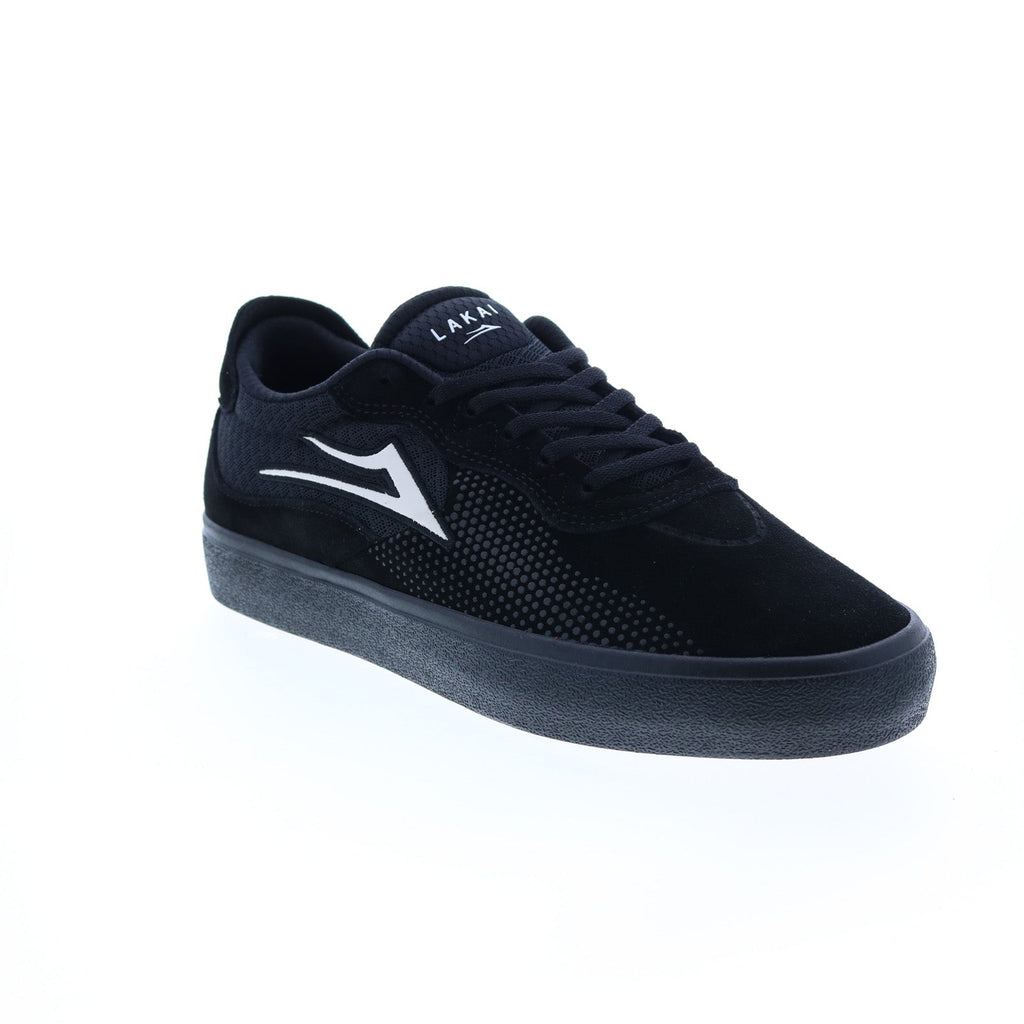
Cupsoles can provide a broad structured base that some low-arched feet find reassuring during long sessions and hard landings. Models in the technical New Balance Numeric or impact-focused Etnies direction are reasonable comparisons when the exact shape and cushioning are documented. Structure is not automatically comfort: a narrow waist, high arch contour, or rigid edge may irritate another foot. Evaluate heel hold and forefoot room before focusing on foam names. The best candidate lets the foot remain quiet inside the shoe while the platform bends at the correct place instead of rolling or pinching under lateral pressure.
Width and heel hold must be solved together
Low arches can spread the forefoot under load, but a wider front does not always mean a wide heel. Look for a toe shape that accommodates natural splay while still gripping the rear foot. A uniformly oversized shoe may feel roomy standing still and slide during flicks and catches. Compare exact width offerings when available, and do not treat a men's label or a wide-looking colorway as evidence of a different last. Crouch, lean onto each edge, and mimic pushing indoors; the shoe should follow the foot without toe compression, sidewall bulging, or heel lift.
As an Amazon Associate, we may earn from qualifying purchases.
View the mid-guide match on AmazonCushioning should remain controlled
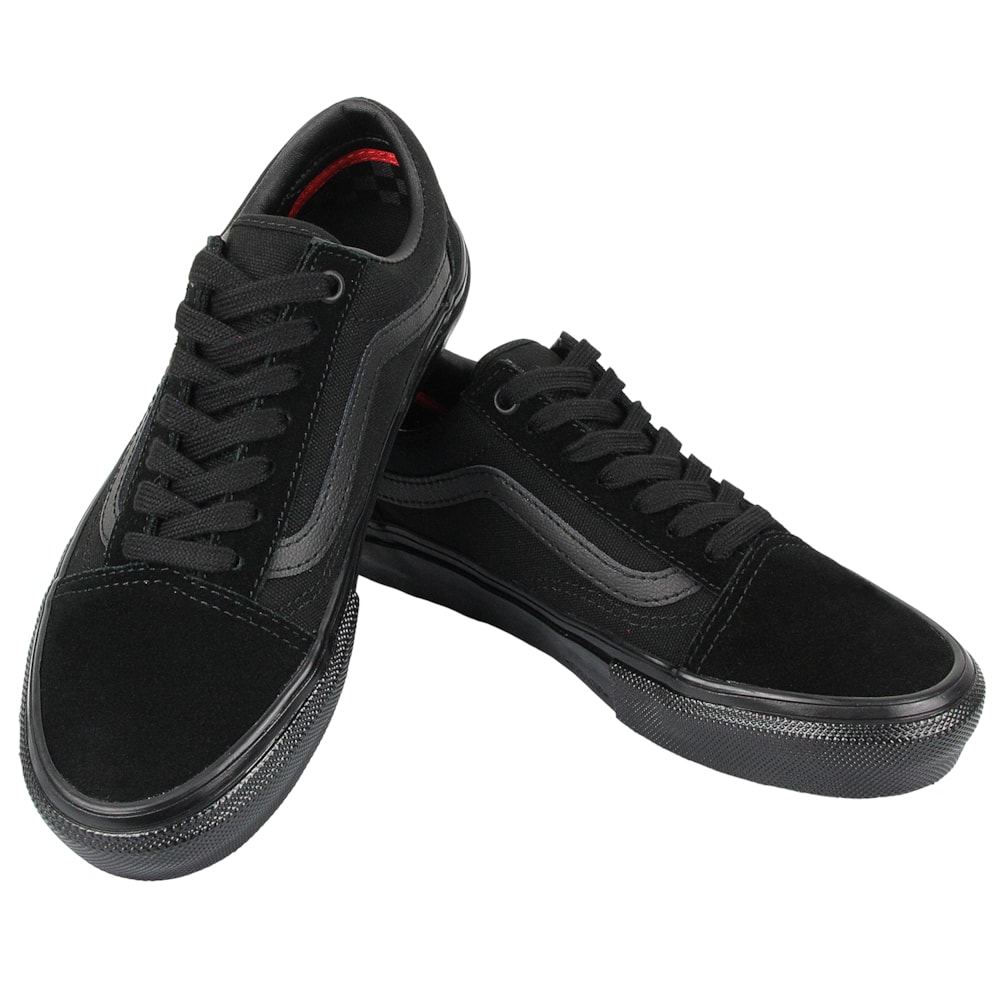
Soft step-in foam can feel pleasant for minutes yet become unstable when the rider lands off-center. For flat feet, compare cushioning by how evenly it supports the heel and forefoot through repeated loading, not by how deeply a thumb sinks into it. A removable footbed can make experimentation easier, but only if replacement thickness preserves fit. Minimal vulcanized shoes provide direct feedback and may suit symptom-free riders who prefer flexibility, although they transmit more impact and surface texture. Choose the least complicated setup that remains comfortable through the actual session rather than maximizing either softness or arch height.
Run a controlled indoor fitting
Try candidates late enough in the day that the feet are not unusually small, using the intended socks and any approved replacement insole. Check both feet because length and width can differ. Stand, crouch, pivot gently, and hold a skating stance for several minutes. Reject burning under the arch, sharp edge pressure, numb toes, heel movement, or a foot pushed outward by an aggressive contour. Normal upper softening may reduce mild material stiffness, but it should not be expected to reshape the sole. Preserve packaging and return eligibility until one model passes every part of the test.
Build the shortlist around symptoms and sessions
Keep three distinct options: a stable cupsole, a roomier balanced shoe, and a flexible low-profile control. Remove any that fail shape, then compare them against the hardest repeated terrain and the duration of a normal outing. A rider doing stairs may accept more structure; a technical flatground skater may favor movement; someone standing all day before skating may prioritize heat and sustained comfort. Track where pressure appears over several ordinary wears. If pain persists or worsens, stop experimenting through products and seek individualized guidance rather than buying progressively firmer shoes.
Test each surviving shape late enough in the day that ordinary swelling is present, using the socks and any prescribed insert that will be worn while skating. Check both feet separately because the larger or more sensitive side should control the choice. Pressure beneath the arch, tingling at the forefoot, or a heel that lifts despite tight lacing are rejection signals. A shoe should feel stable because its geometry suits the foot, not because the laces are compressing a mismatched upper.
People also ask
Questions that extend this decision
Best Skate Shoes for Flat Feet: Picks by Fit and Session: Do low arches always need a high-support skate shoe?
No. Low arches describe shape, not a single comfort requirement. Fit, symptoms, foot volume, and the rider's terrain should guide the comparison.
Best Skate Shoes for Flat Feet: Picks by Fit and Session: Can I replace the insole in skate shoes?
Yes when the stock footbed is removable and the replacement fits the available depth. Recheck heel hold, toe room, and instep pressure after the change.
Best Skate Shoes for Flat Feet: Picks by Fit and Session: Should I size up to make a skate shoe wider?
Usually not as the first solution. Extra length can cause heel slip and misalign the flex point; compare a genuinely roomier shape or offered width.
Best Skate Shoes for Flat Feet: Picks by Fit and Session: When does foot discomfort need professional attention?
Seek qualified advice for persistent or worsening pain, numbness, swelling, injury, or changes in walking. A shoe list cannot diagnose or treat those problems.
Final verdict
Choose the tradeoff you understand.
The best skate shoes for flat feet are the pairs that meet this exact need without giving up secure fit, predictable grip or the protection your sessions require. Fit comes first, the repeated session demand comes second, and the exact current product identity comes third. Use Amazon to verify sizes and options without relying on stale price or stock claims.
As an Amazon Associate, we may earn from qualifying purchases.
Check current options on Amazon